

The iPhone Air Is the Best iPhone Since the X
It’s an objectively flawed phone, but for subjective experience, it surpasses everything else on the market.
If you want to buy a phone with the most capable cameras, the largest battery, the largest screen with the fastest refresh rate, the best battery technology, and the fastest charging, don’t buy an iPhone. Not only should you not want to buy one today, but this has always been true, according to objective metrics. Phones from Chinese manufacturers have consistently surpassed iPhones in most of these categories, and mainstream American Android releases often outperform them. Google’s Pixel line gets you an equally capable set of cameras with a highly polished software experience and similar specs for considerably less money. The new line even has MagSafe. This is even more true of Samsung’s Galaxy Ultra line. The camera tuning isn’t as good for the normal lenses, but they also have a far more impressive zoom function, and every other specification, on paper, is better than an iPhone’s.
What iPhones have excelled at, in a way no other phone company has achieved, is feeling — of polish, of intentional design. iMessage is not better than other texting platforms, but it feels nicer to use, just as the whole ecosystem works so well together, and the cameras are consistently good. You pay a premium because it feels better to use than Android, even if that reads a little silly.

The iPhone Air is the perfect demonstration of that. On paper, it’s the worst value-for-money phone ever made. It only has one camera. The battery life is below that of the 16 Pro. It only has a single speaker. And despite all that, it still starts at $1,000. Yet, when you’ve used it, none of that matters. It is the best iPhone since the iPhone X, eight years ago, and you have to try it to find out.
To get down the core specs, the iPhone Air features an A19 Pro chip with a 6-core CPU and 5-core GPU, 12GB of memory, a 6.5-inch Super Retina XDR OLED display with 120Hz refresh rate, a single 48-megapixel Fusion camera, and a 3,149 mAh battery offering up to 27 hours of video playback.
Unquestionably, these specifications mean you will occasionally bump into compromises that you won’t find in other phones. I went to photograph a dog in a neighbor’s window, and the digital zoom simply couldn’t compete with a proper zoom lens. When heading out for a long day with the Air, a battery bank in the bag is not optional. I hope that future versions will update to silicon-carbon batteries, which provide more capacity in a smaller size, but for the moment.
Yet, you would be surprised at how infrequently you encounter these bumps. Regardless of battery size, my phone spends most of its day on a wireless charger anyway, and if you look through your camera roll you’ll find that you use the zoom lens infrequently, and the ultrawide even less often. And for every other moment, it’s so much better than anything else in the market. It just feels so much more special.
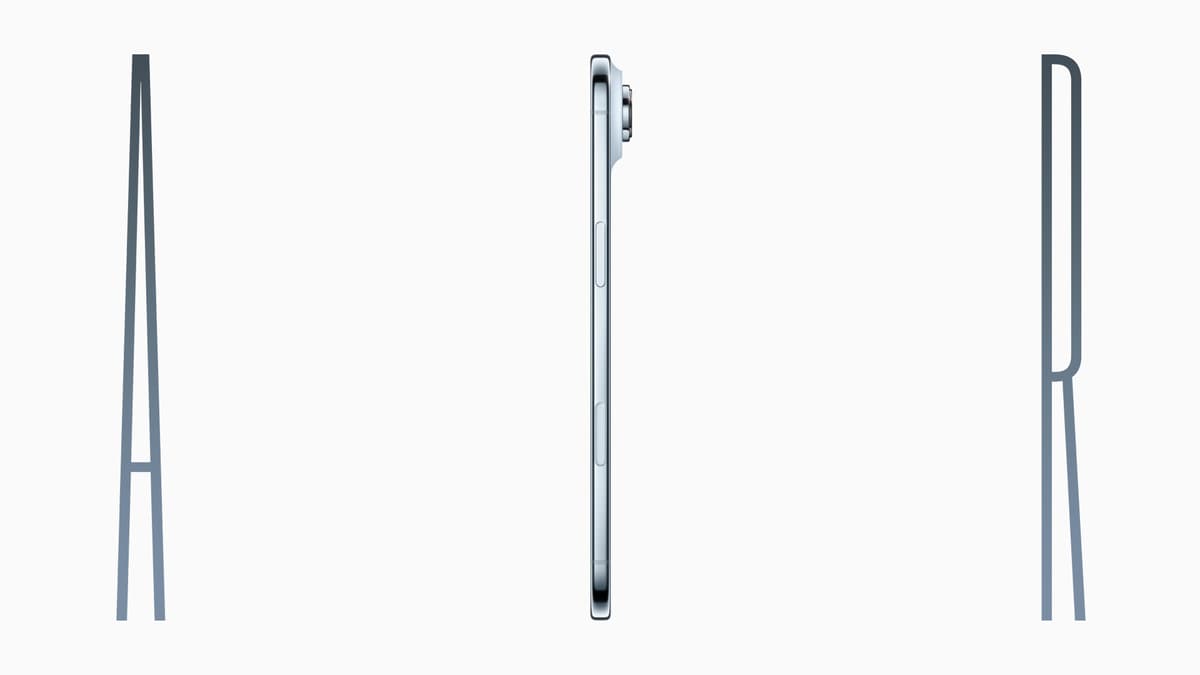
It’s hard to convey how incredible it feels to use a device so thin and light as this. It’s just 5.6mm thin and weighs only 165 grams, and those numbers make for a very different experience. You hold it differently. You forget it’s in your pocket. The thinness means that buttons are easier to hit and use, particularly the camera button. And when you pick up any other phone, it feels like a brick in your palm.
The original iPhone was a flawed phone compared to the BlackBerry, but it looked and felt more premium — and that touchscreen, however impractical, was a glimpse of the future. The iPhone X, when it was released, got rid of Touch ID, had an ugly big notch, but it felt like the future, because it was. The iPhone Air is that moment again.
It’s the best phone Apple has released in years, and the first phone in years that I wholly recommend buying new, if you know what you’re getting into. It has made me more excited than any phone since the OnePlus Open, without being nearly as compromised as folding phones.