
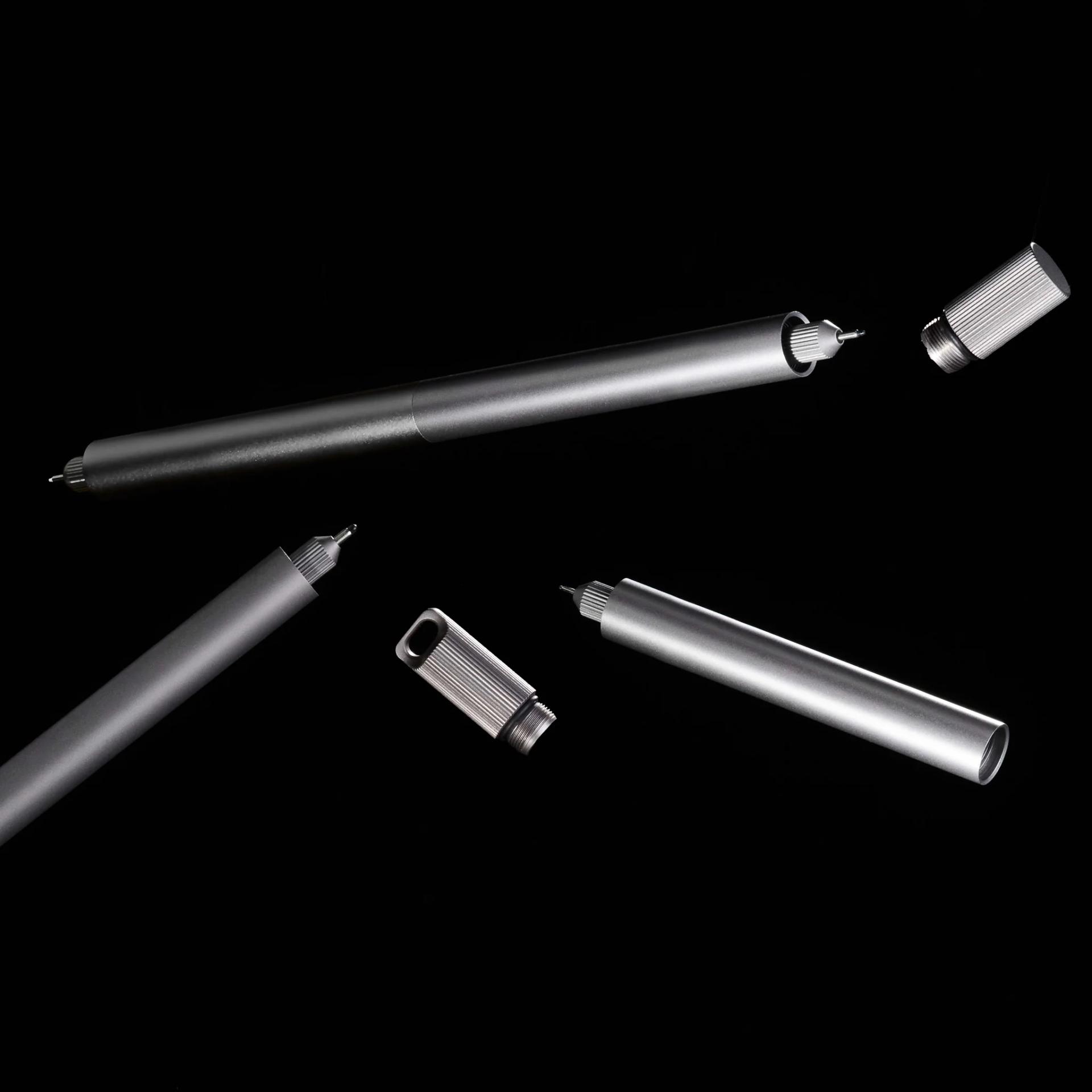
The Titanium Pen Makes Its Mark
By ROSS ANDERSON
|This article is from the archive of The New York Sun before the launch of its new website in 2022. The Sun has neither altered nor updated such articles but will seek to correct any errors, mis-categorizations or other problems introduced during transfer.


Published:
Updated:
In director Marc Forster’s screen adaptation of “The Kite Runner,” the costumes are more than props: They play an important role in storytelling. The film, based on the best-selling book by Khaled Hosseini, tells the tale of two Afghani friends from different social classes. The film opens in Afghanistan in the early 1970s, when traditional and contemporary clothing could co-exist in public. In the movie, the costumes illustrate the economic distinctions between Amir, a son of a wealthy business owner, and his boyhood friend Hassan, whose father works for Amir’s family. Amir wears jackets and jeans that any American boy in the 1970s might have worn, whereas Hassan wears a traditional Hazara kit.
By ROSS ANDERSON
|
By MATTHEW RICE
|
By SEBASTIAN DOGGART
|
By GARY GASTELU
|
By CARL ROLLYSON
|
By MATTHEW RICE
|
By JOSEPH CURL
|
By DAVID JONES
|In director Marc Forster’s screen adaptation of “The Kite Runner,” the costumes are more than props: They play an important role in storytelling. The film, based on the best-selling book by Khaled Hosseini, tells the tale of two Afghani friends from different social classes. The film opens in Afghanistan in the early 1970s, when traditional and contemporary clothing could co-exist in public. In the movie, the costumes illustrate the economic distinctions between Amir, a son of a wealthy business owner, and his boyhood friend Hassan, whose father works for Amir’s family. Amir wears jackets and jeans that any American boy in the 1970s might have worn, whereas Hassan wears a traditional Hazara kit.
Already have a subscription? Sign in to continue reading
Cancel anytime
By continuing you agree to our Privacy Policy and Terms of Service.
Cancel anytime