
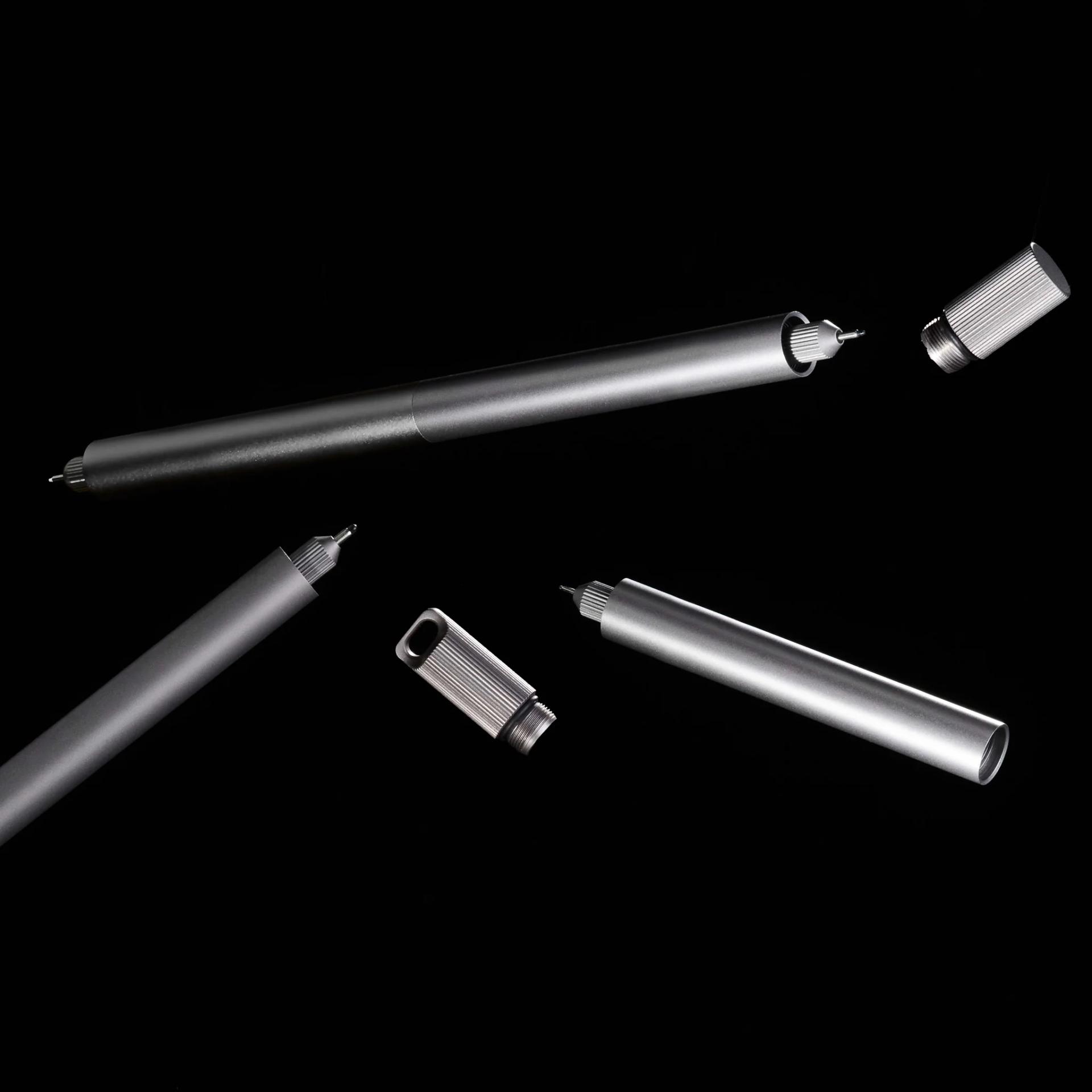
The Titanium Pen Makes Its Mark
By ROSS ANDERSON
|This article is from the archive of The New York Sun before the launch of its new website in 2022. The Sun has neither altered nor updated such articles but will seek to correct any errors, mis-categorizations or other problems introduced during transfer.


Published:
Updated:
One of the most reliable rewards of folk art is its honesty: the straightforward methods and materials of its making, and the directness of its purpose. The small devotional paintings known as retablos are especially poignant for their frank demonstrations of faith. Produced by the thousands by anonymous 19th-century Mexican artists, these images of Jesus, the Virgin Mary, and countless saints were placed in home altars and left at pilgrimage sites. Today they intrigue particularly for their curious blend of native and European cultures. At Paul Thiebaud Gallery, a selection of nearly 200 of these paintings reflects the astonishingly varied production of a cottage industry that thrived between 1820 and 1920.
By ROSS ANDERSON
|
By MATTHEW RICE
|
By SEBASTIAN DOGGART
|
By GARY GASTELU
|
By CARL ROLLYSON
|
By MATTHEW RICE
|
By JOSEPH CURL
|
By DAVID JONES
|One of the most reliable rewards of folk art is its honesty: the straightforward methods and materials of its making, and the directness of its purpose. The small devotional paintings known as retablos are especially poignant for their frank demonstrations of faith. Produced by the thousands by anonymous 19th-century Mexican artists, these images of Jesus, the Virgin Mary, and countless saints were placed in home altars and left at pilgrimage sites. Today they intrigue particularly for their curious blend of native and European cultures. At Paul Thiebaud Gallery, a selection of nearly 200 of these paintings reflects the astonishingly varied production of a cottage industry that thrived between 1820 and 1920.
Already have a subscription? Sign in to continue reading
Cancel anytime
By continuing you agree to our Privacy Policy and Terms of Service.
Cancel anytime