
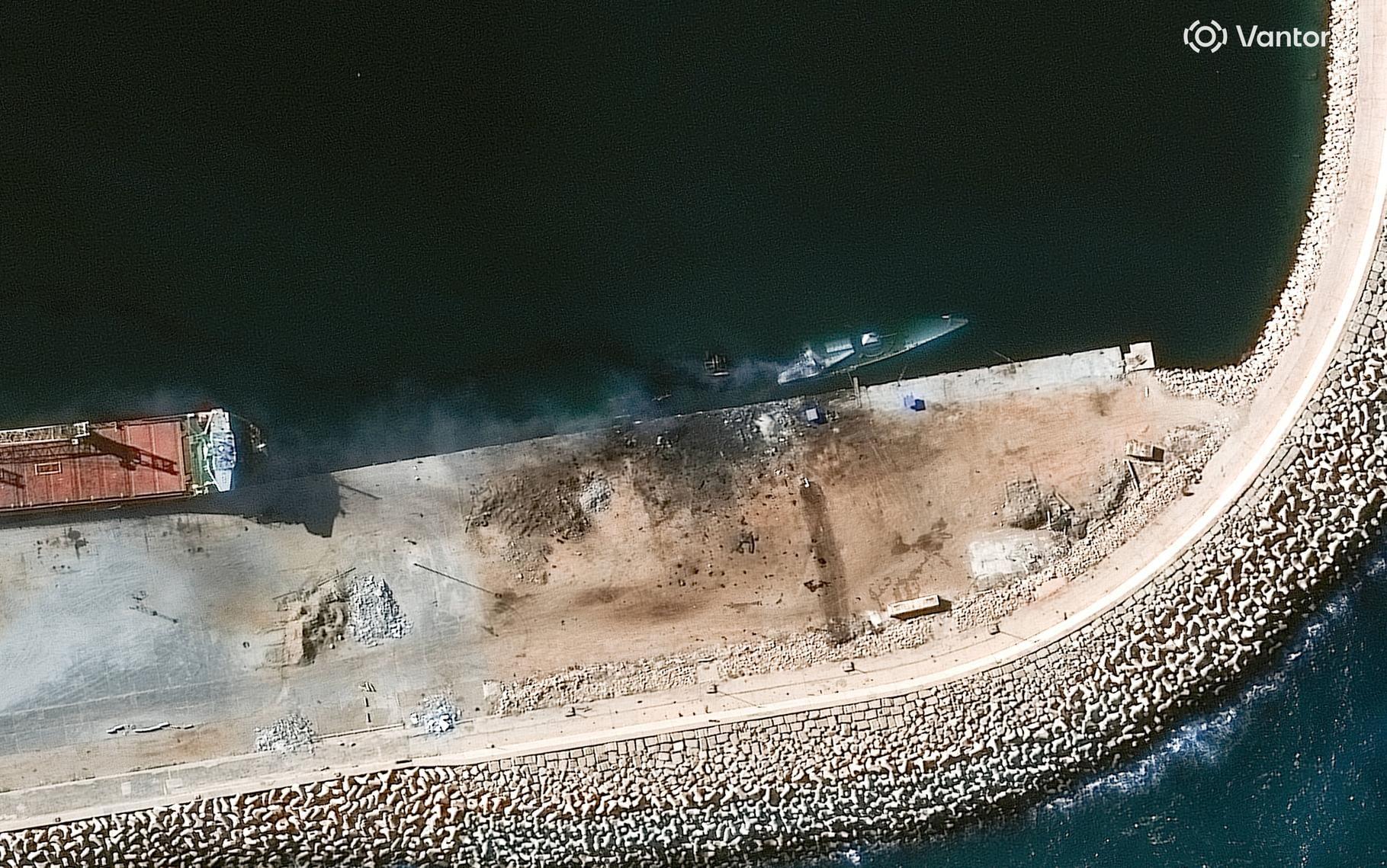
The Russia-Ukraine War Starts To Spill Across Europe
By JAMES BROOKE
|This article is from the archive of The New York Sun before the launch of its new website in 2022. The Sun has neither altered nor updated such articles but will seek to correct any errors, mis-categorizations or other problems introduced during transfer.

Published:
Updated:
When Claude Debussy told Stephane Mallarme in 1894 that he had set his “L’Apres-midi d’un faune” to music, the poet replied “Oh, I thought I had done that myself.” The composer was only beginning to mine the riches of the Symbolists, however, and seized upon the popularity of Maurice Maeterlinck’s mysterious play “Pelleas et Melisande” to fashion his own luminescent opera that premiered in Paris in April 1902.
By JAMES BROOKE
|
By MATTHEW RICE
|
By SHARON KEHNEMUI
|
By DANIEL McCARTHY
|
By VERONIQUE de RUGY
|
By ROSS ANDERSON
|
By MATTHEW RICE
|
By SEBASTIAN DOGGART
|When Claude Debussy told Stephane Mallarme in 1894 that he had set his “L’Apres-midi d’un faune” to music, the poet replied “Oh, I thought I had done that myself.” The composer was only beginning to mine the riches of the Symbolists, however, and seized upon the popularity of Maurice Maeterlinck’s mysterious play “Pelleas et Melisande” to fashion his own luminescent opera that premiered in Paris in April 1902.
Already have a subscription? Sign in to continue reading
Cancel anytime
By continuing you agree to our Privacy Policy and Terms of Service.
Cancel anytime