
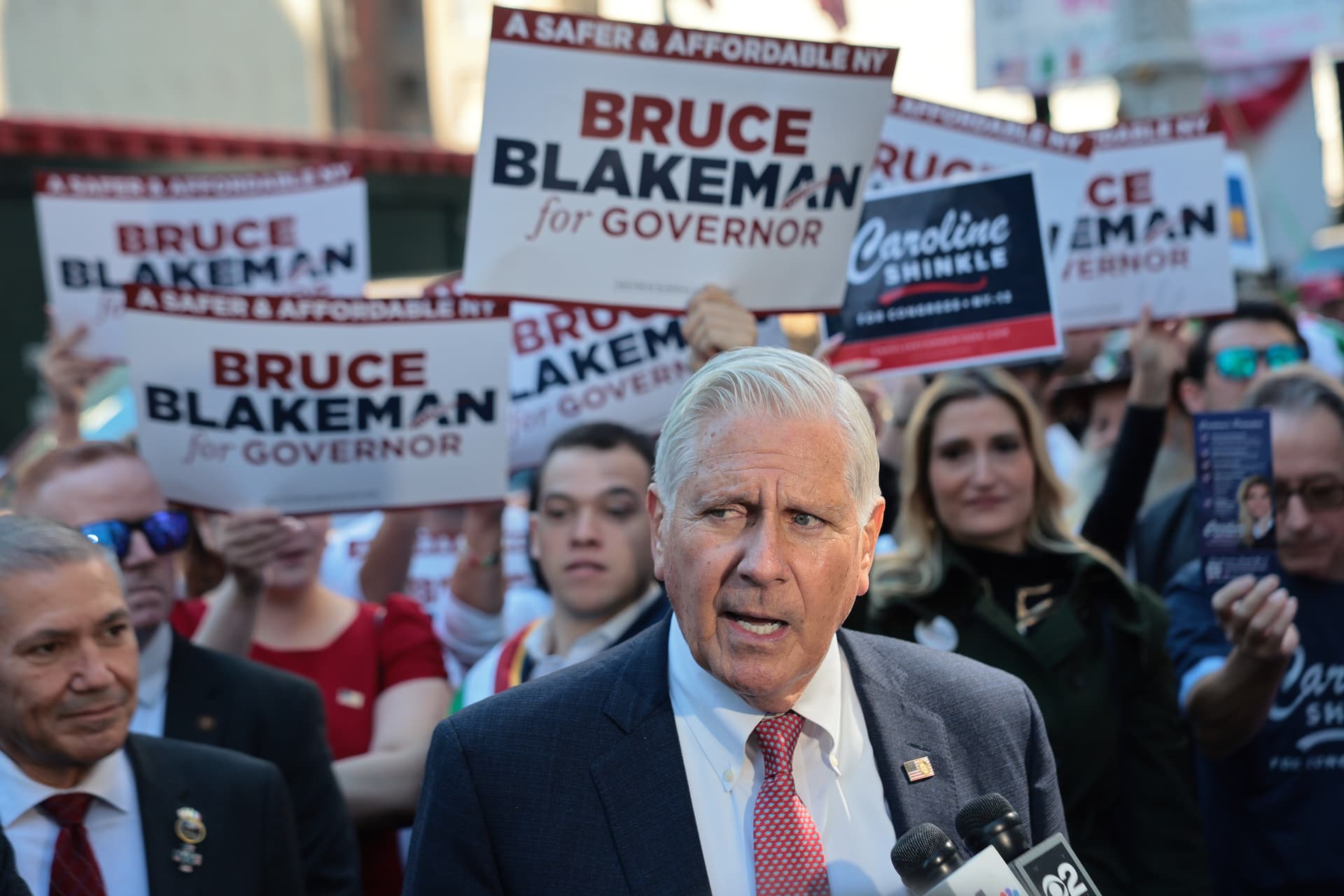
Blakeman Hopes To Cut a Path to Albany Through Minority and Jewish Voters, and Hochul’s Unpopular Policies
By ALEX ZDAN
|This article is from the archive of The New York Sun before the launch of its new website in 2022. The Sun has neither altered nor updated such articles but will seek to correct any errors, mis-categorizations or other problems introduced during transfer.

Published:
Updated:
For years, Supreme Court watchers and civil rights activists have been waiting for the real Clarence Thomas to stand up. In “My Grandfather’s Son: A Memoir” (Harper, 290 pages, $26.95) Mr. Thomas, famously tight-lipped on the bench, finally exhibits, reinvents, and stands up for himself — and his personal brand of contrariness. As he puts it, the book is a “story of an ordinary man to whom extraordinary things happened.” Right he is.
By ALEX ZDAN
|
By HOLLIE McKAY
|
By A.R. HOFFMAN
|
By HOLLIE McKAY
|
By HOLLIE McKAY
|
By HOLLIE McKAY
|
By HOLLIE McKAY
|
By HOLLIE McKAY
|For years, Supreme Court watchers and civil rights activists have been waiting for the real Clarence Thomas to stand up. In “My Grandfather’s Son: A Memoir” (Harper, 290 pages, $26.95) Mr. Thomas, famously tight-lipped on the bench, finally exhibits, reinvents, and stands up for himself — and his personal brand of contrariness. As he puts it, the book is a “story of an ordinary man to whom extraordinary things happened.” Right he is.
Already have a subscription? Sign in to continue reading
Cancel anytime
By continuing you agree to our Privacy Policy and Terms of Service.
Cancel anytime