
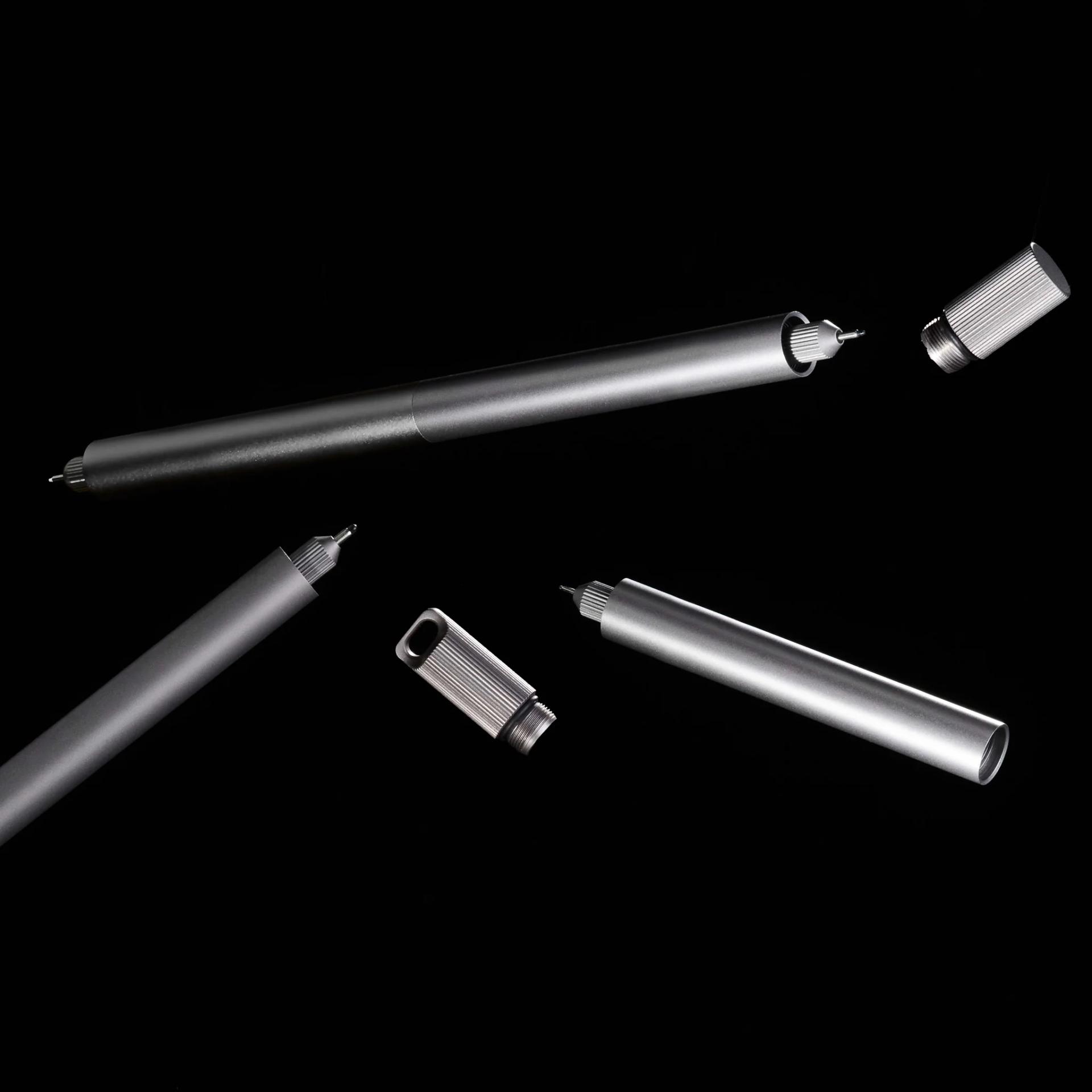
The Titanium Pen Makes Its Mark
By ROSS ANDERSON
|This article is from the archive of The New York Sun before the launch of its new website in 2022. The Sun has neither altered nor updated such articles but will seek to correct any errors, mis-categorizations or other problems introduced during transfer.

Published:
Updated:
It is not easy to count your blessings. Writers often make a character turn inward, to make an autobiographical judgment, and the difficulty of making such a judgment can be the engine of an entire novel. Such accountings can be prideful, futile, or, in a favorite trick, grossly unreliable. Sometimes a character’s inability to take stock of his own life can even be mistaken for a modernist difficulty. It is a specific pleasure, then, to read Frederick Busch, whose characters share a poised self-consciousness of their own desires and values. In “Rescue Missions” (Norton, 304 pages, $24.95), his posthumous story collection, they especially share a need to be comforted.
By ROSS ANDERSON
|
By MATTHEW RICE
|
By SEBASTIAN DOGGART
|
By GARY GASTELU
|
By CARL ROLLYSON
|
By MATTHEW RICE
|
By JOSEPH CURL
|
By DAVID JONES
|It is not easy to count your blessings. Writers often make a character turn inward, to make an autobiographical judgment, and the difficulty of making such a judgment can be the engine of an entire novel. Such accountings can be prideful, futile, or, in a favorite trick, grossly unreliable. Sometimes a character’s inability to take stock of his own life can even be mistaken for a modernist difficulty. It is a specific pleasure, then, to read Frederick Busch, whose characters share a poised self-consciousness of their own desires and values. In “Rescue Missions” (Norton, 304 pages, $24.95), his posthumous story collection, they especially share a need to be comforted.
Already have a subscription? Sign in to continue reading
Cancel anytime
By continuing you agree to our Privacy Policy and Terms of Service.
Cancel anytime