
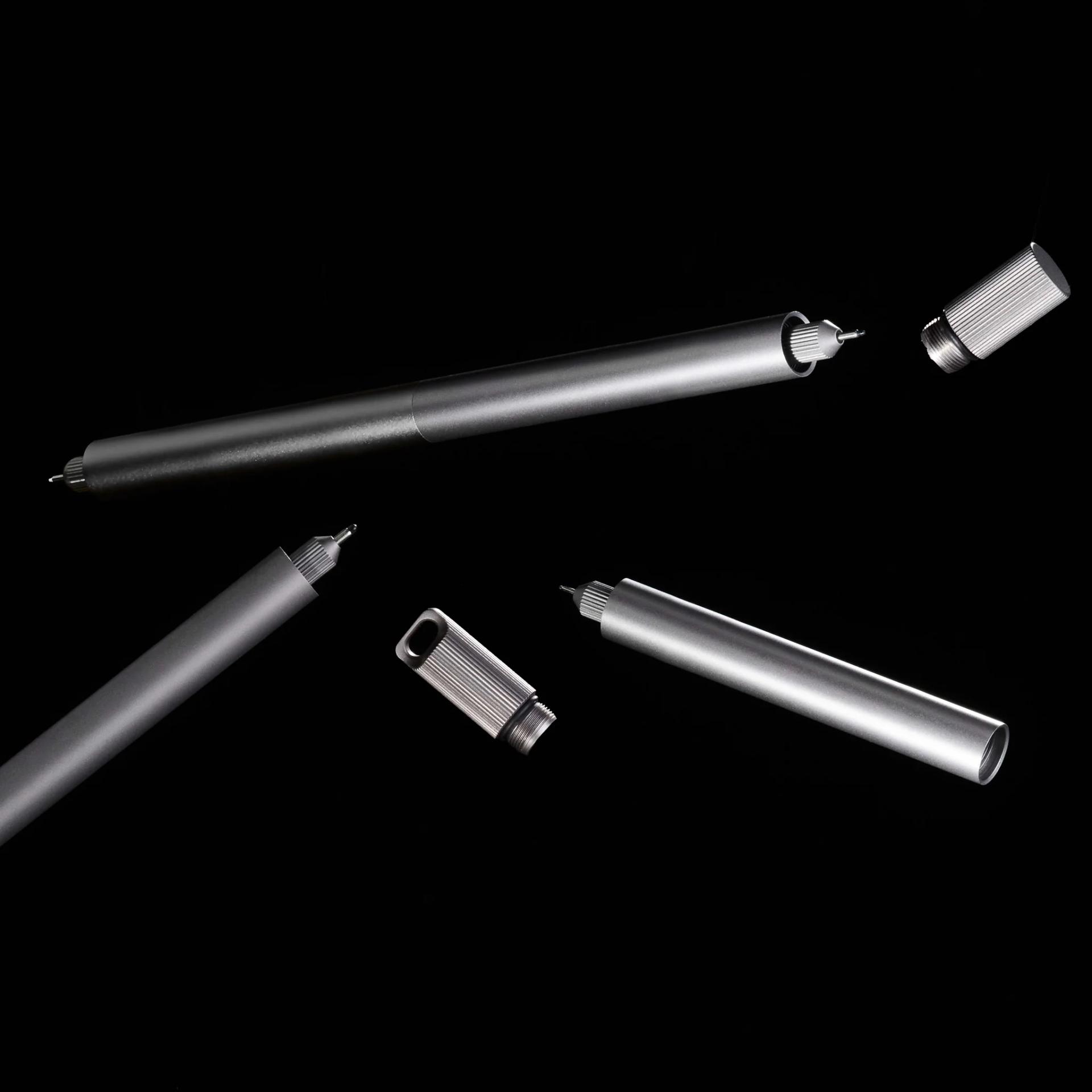
The Titanium Pen Makes Its Mark
By ROSS ANDERSON
|This article is from the archive of The New York Sun before the launch of its new website in 2022. The Sun has neither altered nor updated such articles but will seek to correct any errors, mis-categorizations or other problems introduced during transfer.

Published:
Updated:
In the 19th century, America’s vast tracts of unspoiled landscape inspired artists like Frederic Edwin Church (1826-1900) and Albert Bierstadt (1830-1902) to create spectacular paintings of a virgin land for an enthusiastic public. Meanwhile, across the Atlantic, the forests and fields of France, which had been thoroughly cultivated for thousands of years, were inspiring a more vivid, if less theatrical, group of artists. Working south of Paris in Fontainebleau, near the village of Barbizon, Théodore Rousseau (1812-1867) communicated a vision of nature far more primal and revealing than his American counterparts.
By ROSS ANDERSON
|
By MATTHEW RICE
|
By SEBASTIAN DOGGART
|
By GARY GASTELU
|
By CARL ROLLYSON
|
By MATTHEW RICE
|
By JOSEPH CURL
|
By DAVID JONES
|In the 19th century, America’s vast tracts of unspoiled landscape inspired artists like Frederic Edwin Church (1826-1900) and Albert Bierstadt (1830-1902) to create spectacular paintings of a virgin land for an enthusiastic public. Meanwhile, across the Atlantic, the forests and fields of France, which had been thoroughly cultivated for thousands of years, were inspiring a more vivid, if less theatrical, group of artists. Working south of Paris in Fontainebleau, near the village of Barbizon, Théodore Rousseau (1812-1867) communicated a vision of nature far more primal and revealing than his American counterparts.
Already have a subscription? Sign in to continue reading
Cancel anytime
By continuing you agree to our Privacy Policy and Terms of Service.
Cancel anytime