
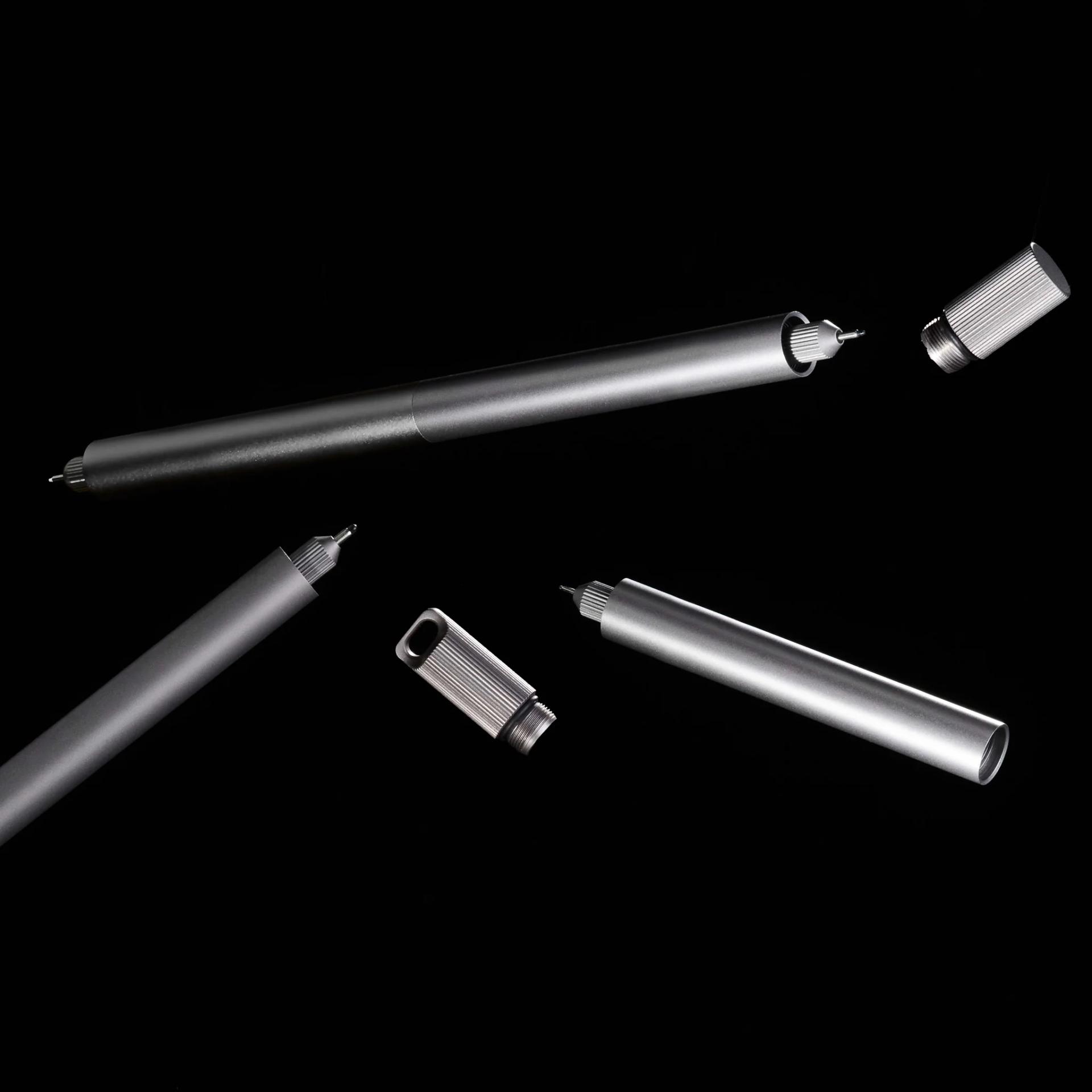
The Titanium Pen Makes Its Mark
By ROSS ANDERSON
|This article is from the archive of The New York Sun before the launch of its new website in 2022. The Sun has neither altered nor updated such articles but will seek to correct any errors, mis-categorizations or other problems introduced during transfer.

Published:
Updated:
Before the East End of Long Island became the “Hamptons” and a playground for the advocates of conspicuous consumption, it was a mecca for artists. At the turn of the century, painters like Thomas Moran, William Merritt Chase, and Childe Hassam found a feast in the understated beauty of the landscape, the sea-rinsed air, and the magical light.A second wave of artists – Jackson Pollock, Willem de Kooning, and Fairfield Porter among them – arrived in the 1940s, and following them came the scores of writers and artists who were friends and colleagues.
By ROSS ANDERSON
|
By MATTHEW RICE
|
By SEBASTIAN DOGGART
|
By GARY GASTELU
|
By CARL ROLLYSON
|
By MATTHEW RICE
|
By JOSEPH CURL
|
By DAVID JONES
|Before the East End of Long Island became the “Hamptons” and a playground for the advocates of conspicuous consumption, it was a mecca for artists. At the turn of the century, painters like Thomas Moran, William Merritt Chase, and Childe Hassam found a feast in the understated beauty of the landscape, the sea-rinsed air, and the magical light.A second wave of artists – Jackson Pollock, Willem de Kooning, and Fairfield Porter among them – arrived in the 1940s, and following them came the scores of writers and artists who were friends and colleagues.
Already have a subscription? Sign in to continue reading
Cancel anytime
By continuing you agree to our Privacy Policy and Terms of Service.
Cancel anytime