
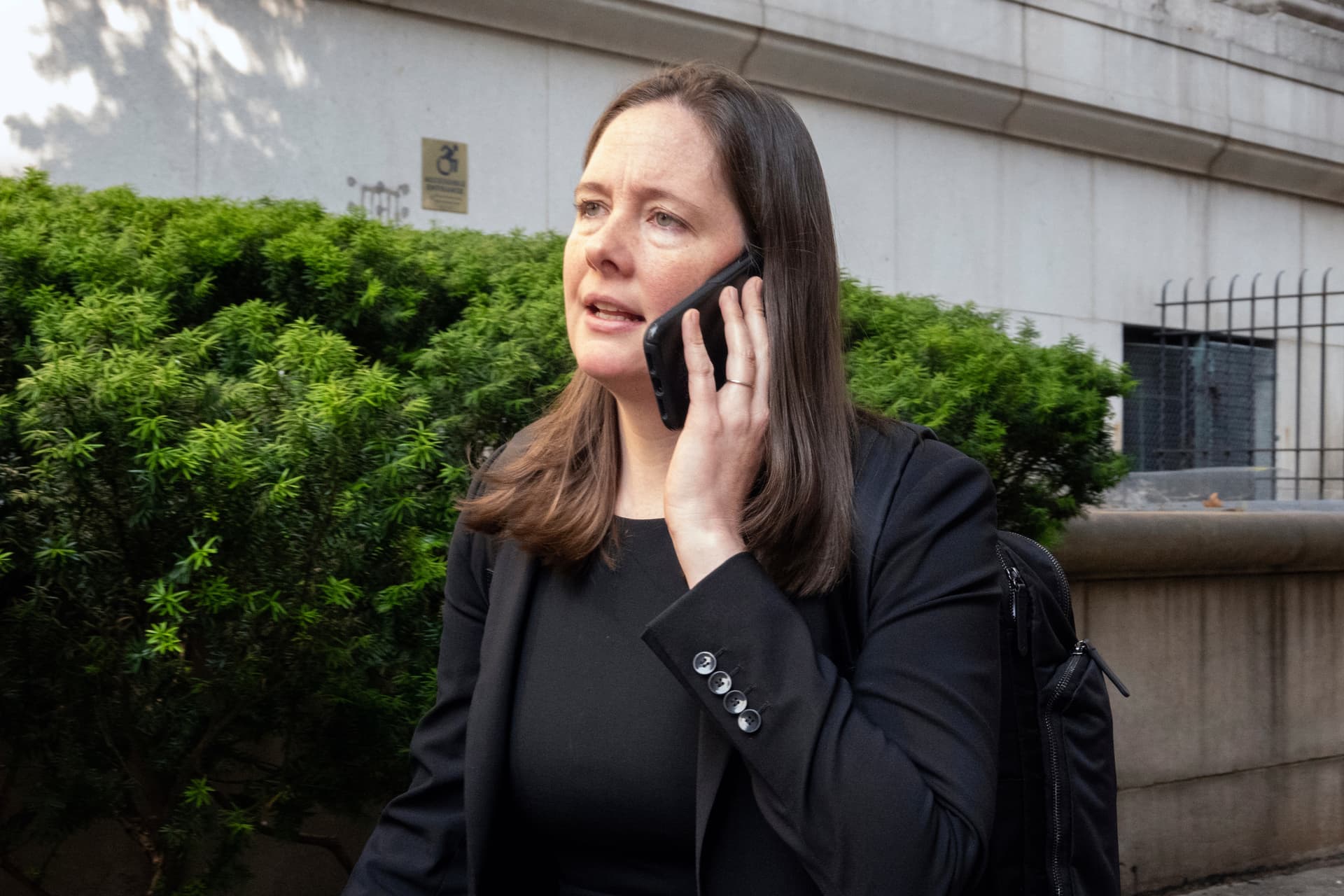
Maurene Comey Says Trump Fired Her for ‘Her DNA’ and for Being a ‘Thought Criminal’
By A.R. HOFFMAN
|This article is from the archive of The New York Sun before the launch of its new website in 2022. The Sun has neither altered nor updated such articles but will seek to correct any errors, mis-categorizations or other problems introduced during transfer.

Published:
Updated:
George Crabbe was a minor poet, flourishing the couple of decades on each side of 1800. He made most of his living as a country clergyman. He published nothing but verse, took no part in public affairs, and had no interest in science, philosophy, art, or music. He seems not to have noticed the Napoleonic Wars. He spent almost his entire life in southern England, only venturing once to Edinburgh, at age 67, to visit Sir Walter Scott. His private life was well-nigh eventless: married to the same woman for 30 years, he had seven children, of whom two sons survived to adulthood (both became country clergymen). There seem to have been no sexual adventures or eccentricities beyond, just possibly, a couple of visits to bawdy-houses. He took opium, but not immoderately; and this was, in any case, an age when opium was freely sold and widely consumed in England. He did not even get into interesting financial difficulties, as Scott did.
By A.R. HOFFMAN
|
By JAMES BROOKE
|
By MATTHEW RICE
|
By BRADLEY CORTRIGHT
|
By DANIEL McCARTHY
|
By CONRAD BLACK
|
By WILL FRIEDWALD
|
By MATTHEW RICE
|George Crabbe was a minor poet, flourishing the couple of decades on each side of 1800. He made most of his living as a country clergyman. He published nothing but verse, took no part in public affairs, and had no interest in science, philosophy, art, or music. He seems not to have noticed the Napoleonic Wars. He spent almost his entire life in southern England, only venturing once to Edinburgh, at age 67, to visit Sir Walter Scott. His private life was well-nigh eventless: married to the same woman for 30 years, he had seven children, of whom two sons survived to adulthood (both became country clergymen). There seem to have been no sexual adventures or eccentricities beyond, just possibly, a couple of visits to bawdy-houses. He took opium, but not immoderately; and this was, in any case, an age when opium was freely sold and widely consumed in England. He did not even get into interesting financial difficulties, as Scott did.
Already have a subscription? Sign in to continue reading
Cancel anytime
By continuing you agree to our Privacy Policy and Terms of Service.
Cancel anytime