
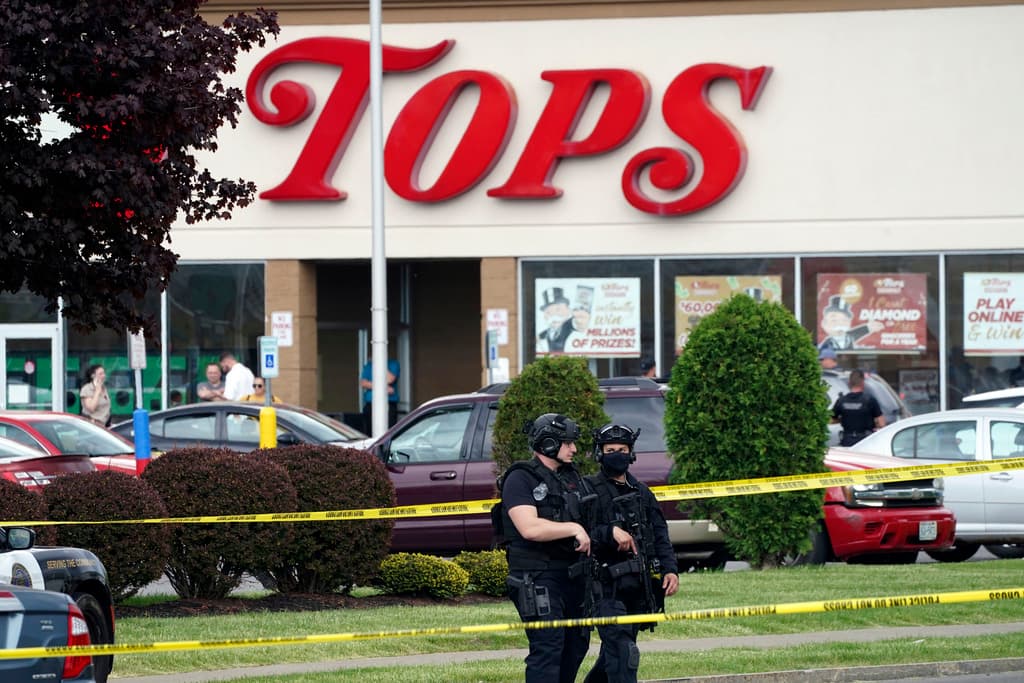
Federal Judge Strikes Down New York’s Body Armor Ban
By LUKE FUNK
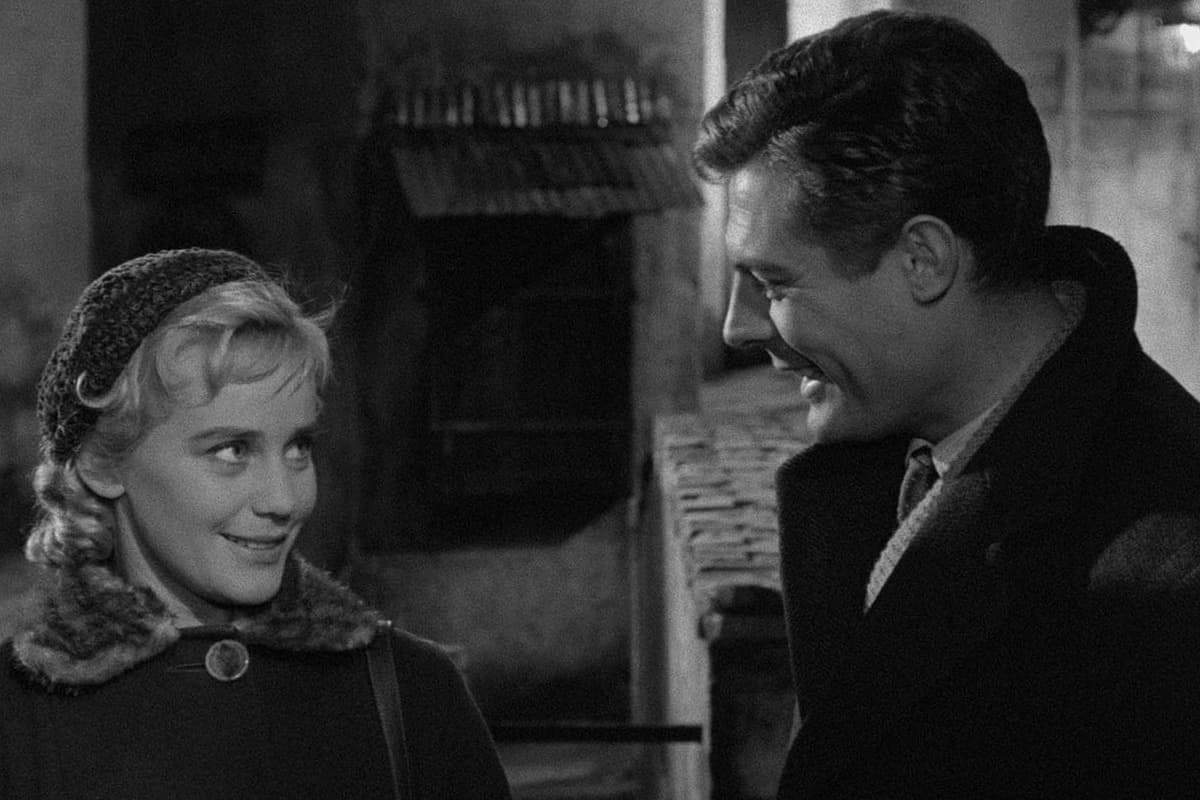
|The 1957 drama is a masterful depiction of young love and lost illusions, guided by the luminous and guileless presence of Marcello Mastroianni and Maria Schell.

Published:
Updated:
The 1957 Italian film “White Nights” features some stellar talent in front and behind the camera, chiefly actor Marcello Mastroianni and director Luchino Visconti, and yet what is often most remembered is its set. Recreating the center of Livorno, a coastal Tuscan town, the scenery is an impressive, intricate construction of pedestrian bridges, canals, buildings, bars, medieval alleyways, storefronts, and more. Indeed, the set is so remarkable that the soundstages and production facilities used to build the facsimile — the storied Cinecittà studios in Rome — are acknowledged in the opening credits for their “exceptional technical contribution.”
By LUKE FUNK
|
By MARIO NAVES
|
By JOSEPH CURL
|
By BRADLEY CORTRIGHT
|
By ALEX ZDAN
|
By CAROLINE DOWNEY
|
By DONALD KIRK
|
By MATTHEW RICE
|The 1957 Italian film “White Nights” features some stellar talent in front and behind the camera, chiefly actor Marcello Mastroianni and director Luchino Visconti, and yet what is often most remembered is its set. Recreating the center of Livorno, a coastal Tuscan town, the scenery is an impressive, intricate construction of pedestrian bridges, canals, buildings, bars, medieval alleyways, storefronts, and more. Indeed, the set is so remarkable that the soundstages and production facilities used to build the facsimile — the storied Cinecittà studios in Rome — are acknowledged in the opening credits for their “exceptional technical contribution.”
Already have a subscription? Sign in to continue reading
Cancel anytime
By continuing you agree to our Privacy Policy and Terms of Service.
Cancel anytime