


Shane Gillis’s Crass ‘SNL’ Monologue Told Uncomfortable Truths About Gym Decency and Decorum
By CAROLINE DOWNEY
|With today’s poem, the Sun concludes Victorian Week, a look at some of the 19th-century poets unfairly dismissed by the sneer at the Victorians that their children, the Edwardians, left to us as a literary and historical legacy.
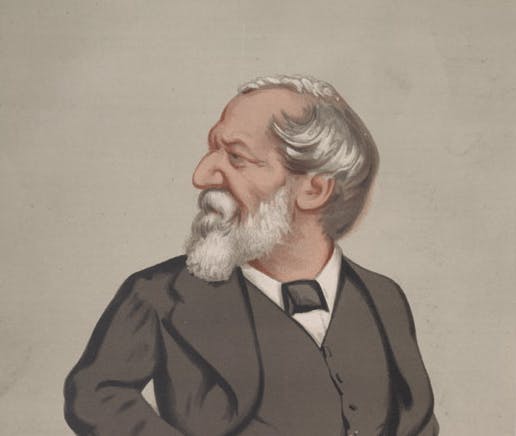
With today’s poem, the Sun concludes Victorian Week, a look at some of the 19th-century poets unfairly dismissed by the sneer at the Victorians that their children, the Edwardians, left to us as a literary and historical legacy. Robert Browning (1812–1889) fits a little awkwardly in this category. His name still appears alongside Tennyson’s in lists of the era’s dominant poets, and his poetic skill, quirky phrasings, and linguistic density made him harder to dismiss than other Victorian poets. Still, with a birthday on May 7, Browning deserves to round off our week of Victoriana. In “Home-Thoughts, from Abroad,” written while the poet was in Italy, Browning gives a classic expression of the peculiar (and perduring) kind of English nature patriotism‚ contrasting the spring buttercups of England and the “gaudy melon-flower” of Italy, in rhymed lines varying metrical length.
By CAROLINE DOWNEY
|
By ALEX ZDAN
|
By JOSEPH CURL
|
By TOM DEIGNAN
|
By JENNIFER DOHERTY
|
By LUKE FUNK
|
By THE NEW YORK SUN
|
By MATTHEW RICE
|With today’s poem, the Sun concludes Victorian Week, a look at some of the 19th-century poets unfairly dismissed by the sneer at the Victorians that their children, the Edwardians, left to us as a literary and historical legacy. Robert Browning (1812–1889) fits a little awkwardly in this category. His name still appears alongside Tennyson’s in lists of the era’s dominant poets, and his poetic skill, quirky phrasings, and linguistic density made him harder to dismiss than other Victorian poets. Still, with a birthday on May 7, Browning deserves to round off our week of Victoriana. In “Home-Thoughts, from Abroad,” written while the poet was in Italy, Browning gives a classic expression of the peculiar (and perduring) kind of English nature patriotism‚ contrasting the spring buttercups of England and the “gaudy melon-flower” of Italy, in rhymed lines varying metrical length.
Already have a subscription? Sign in to continue reading
Cancel anytime
By continuing you agree to our Privacy Policy and Terms of Service.
Cancel anytime