

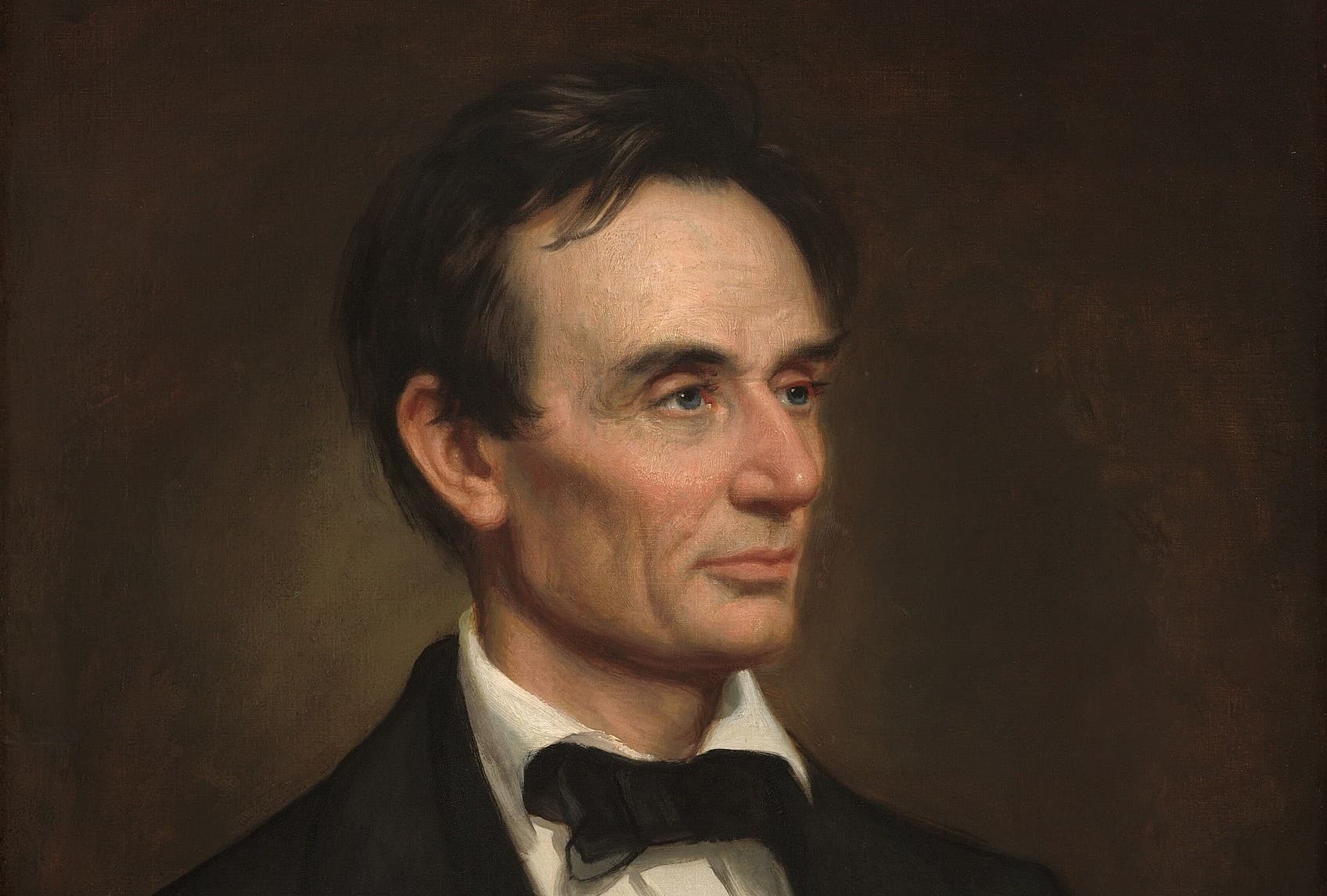
Finding the Real Abraham Lincoln Through Fiction
By CARL ROLLYSON
|What begins in Romantic impulse ends in a highly aestheticized pathos.

Today’s Poem of the Day, by Emily Brontë (1818–1848) seems consonant somehow, in tone, with its author’s one novel, “Wuthering Heights.” This is a strange impression, perhaps, to derive from a poem that, like Monday’s poem by the twentieth-century poet Siegfriend Sassoon, opens on a scene of beauty and peace that “Breathes sweet thoughts everywhere.”
A character blundering into this scene, so neatly set out in plainspoken common-meter quatrains, might be forgiven for expecting to find refreshment and rebirth in the limpid moonlight, the sheltering shadows of the trees. Instead what he finds, in the third stanza, is a corpse, albeit a beautiful one, like the John Everett Millais painting of the drowned Ophelia. What begins in Romantic impulse ends in a highly aestheticized pathos.
By CARL ROLLYSON
|
By DEAN KARAYANIS
|
By ELYSA GARDNER
|
By MATTHEW RICE
|
By MATTHEW RICE
|
By JOTAM CONFINO
|
By STEPHEN MOORE
|
By JOHN STEELE GORDON
|Today’s Poem of the Day, by Emily Brontë (1818–1848) seems consonant somehow, in tone, with its author’s one novel, “Wuthering Heights.” This is a strange impression, perhaps, to derive from a poem that, like Monday’s poem by the twentieth-century poet Siegfriend Sassoon, opens on a scene of beauty and peace that “Breathes sweet thoughts everywhere.”
A character blundering into this scene, so neatly set out in plainspoken common-meter quatrains, might be forgiven for expecting to find refreshment and rebirth in the limpid moonlight, the sheltering shadows of the trees. Instead what he finds, in the third stanza, is a corpse, albeit a beautiful one, like the John Everett Millais painting of the drowned Ophelia. What begins in Romantic impulse ends in a highly aestheticized pathos.
Already have a subscription? Sign in to continue reading
Cancel anytime
By continuing you agree to our Privacy Policy and Terms of Service.
Cancel anytime