

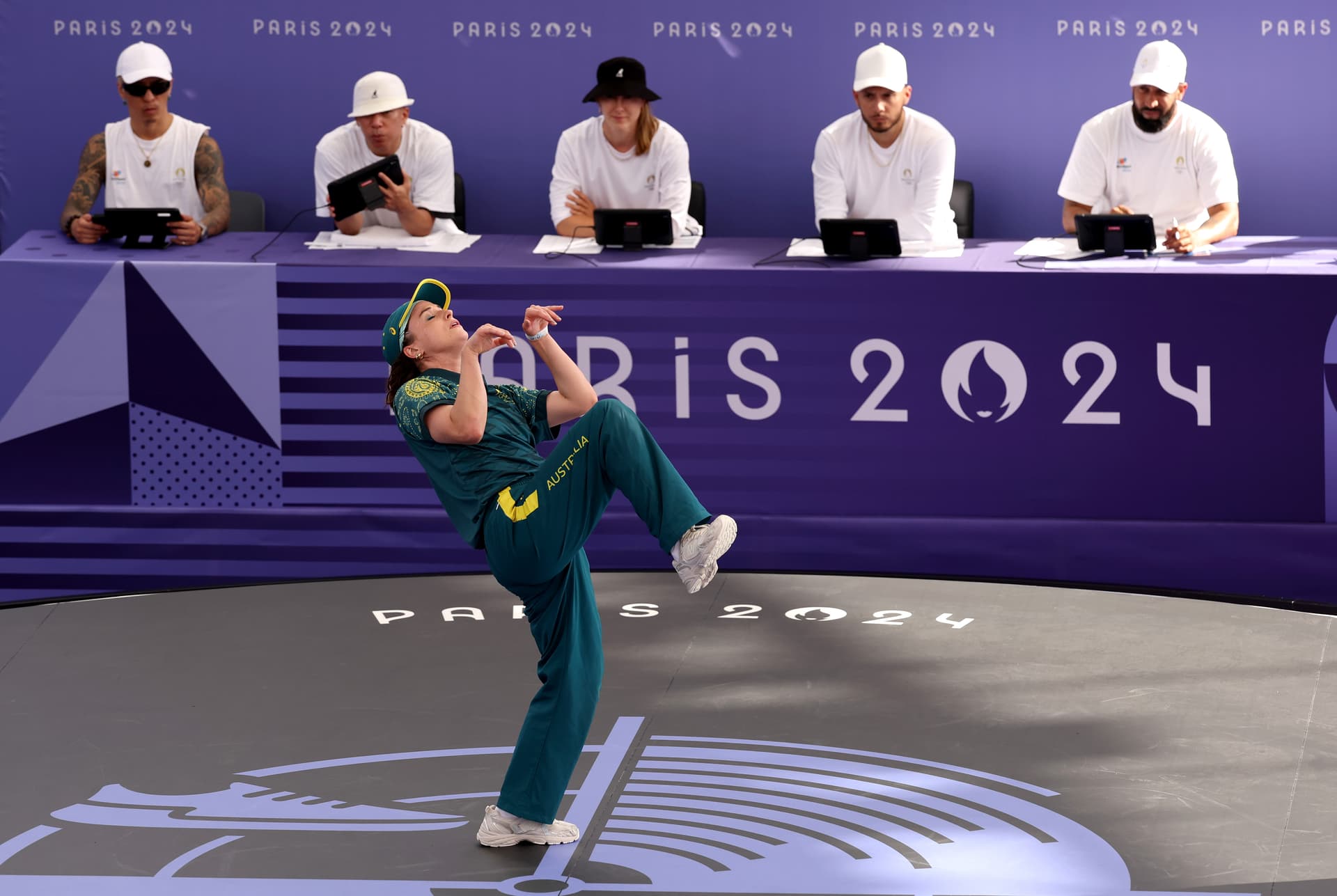
Rachael ‘Raygun’ Gunn Re-emerges From ‘Slow-Motion Car Crash’ With Docuflick Revisiting Olympic Breakdance Firestorm
By GEORGE WILLIS
|Kipling was an Aesthete, and it shows up from time to time in his short stories, his interests in art, and his poetry. Here he pictures heaven for the artist as the chance for cosmic art.
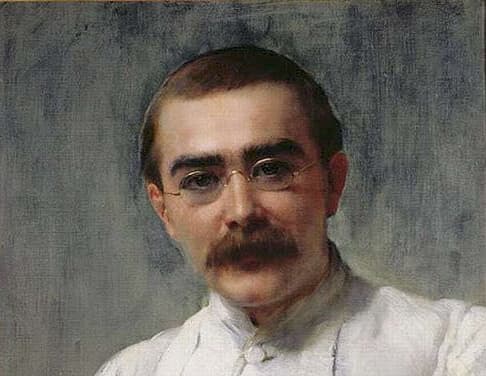
For 75 years now, Rudyard Kipling (1865–1936) has been threatening to break back though to the position he held when, in 1907, he became the youngest winner of the Nobel Prize — acknowledged as a genius and one of the great figures of English literature. And for 75 years, it hasn’t ever quite happened. The Edwardian complaint of vulgar imperialism has carried through, exaggerated by the current wokism that refuses to see anything but what its narrow lenses show it. One oddity is often missed by both those who praise Kipling and those who sneer at him — and that is his never-quite-lost love of the Aesthetes who seemed the peak of advanced literature when he was young. Kipling was an Aesthete, and it shows up from time to time in his short stories, his interests in art, and his poetry. In the alexandrines of “When Earth’s Last Picture Is Painted,” a poem printed as the l’envoi to his 1896 collection of short stories, “The Seven Seas,” he pictures heaven for the artist as the chance for cosmic art, where the artist “Shall draw the Thing as he sees It for the God of Things as They are.”
By GEORGE WILLIS
|
By CARL ROLLYSON
|
By A.R. HOFFMAN
|
By BRADLEY CORTRIGHT
|
By LUKE FUNK
|
By GEORGE WILLIS
|
By WILL FRIEDWALD
|
By MATTHEW RICE
|For 75 years now, Rudyard Kipling (1865–1936) has been threatening to break back though to the position he held when, in 1907, he became the youngest winner of the Nobel Prize — acknowledged as a genius and one of the great figures of English literature. And for 75 years, it hasn’t ever quite happened. The Edwardian complaint of vulgar imperialism has carried through, exaggerated by the current wokism that refuses to see anything but what its narrow lenses show it. One oddity is often missed by both those who praise Kipling and those who sneer at him — and that is his never-quite-lost love of the Aesthetes who seemed the peak of advanced literature when he was young. Kipling was an Aesthete, and it shows up from time to time in his short stories, his interests in art, and his poetry. In the alexandrines of “When Earth’s Last Picture Is Painted,” a poem printed as the l’envoi to his 1896 collection of short stories, “The Seven Seas,” he pictures heaven for the artist as the chance for cosmic art, where the artist “Shall draw the Thing as he sees It for the God of Things as They are.”
Already have a subscription? Sign in to continue reading
Cancel anytime
By continuing you agree to our Privacy Policy and Terms of Service.