

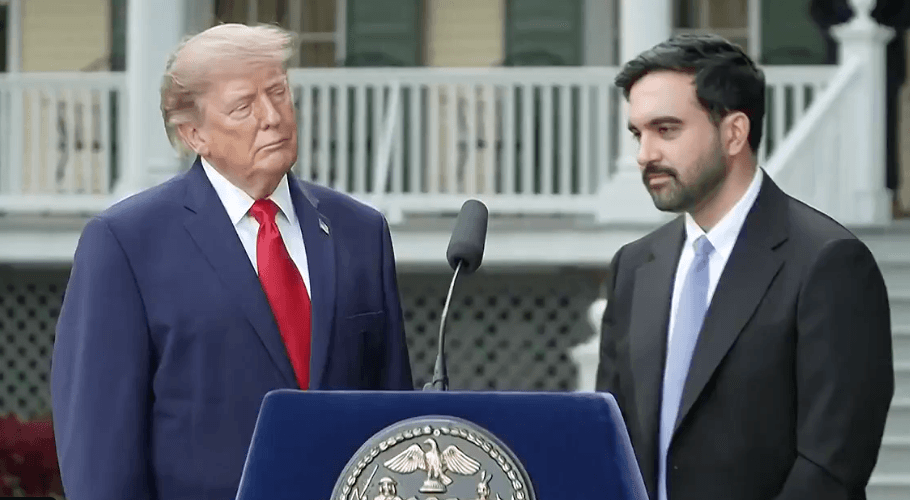
Zelensky Now Has a Card To Play With Trump: Diesel
By JAMES BROOKE
|This article is from the archive of The New York Sun before the launch of its new website in 2022. The Sun has neither altered nor updated such articles but will seek to correct any errors, mis-categorizations or other problems introduced during transfer.

Published:
Updated:
In his slim but tightly packed “Proust Was a Neuroscientist” (Houghton Mifflin, 256 pages, $24), Jonah Lehrer, a nascent neuroscientist who worked in Eric Kandel’s laboratory, argues that, in understanding the brain, artists and writers got there first, anticipating many major scientific discoveries in their work. Mr. Lehrer can be dazzling, as his mind jumps about — he is still, amazingly, only 25 — but one wonders: Is the salient question, really, which field got there first? Genius is genius, and is always ahead of the pack. Leonardo da Vinci, of course, did it all.
By JAMES BROOKE
|
By MATTHEW RICE
|
By BRADLEY CORTRIGHT
|
By DANIEL McCARTHY
|
By CONRAD BLACK
|
By WILL FRIEDWALD
|
By MATTHEW RICE
|
By THE NEW YORK SUN
|In his slim but tightly packed “Proust Was a Neuroscientist” (Houghton Mifflin, 256 pages, $24), Jonah Lehrer, a nascent neuroscientist who worked in Eric Kandel’s laboratory, argues that, in understanding the brain, artists and writers got there first, anticipating many major scientific discoveries in their work. Mr. Lehrer can be dazzling, as his mind jumps about — he is still, amazingly, only 25 — but one wonders: Is the salient question, really, which field got there first? Genius is genius, and is always ahead of the pack. Leonardo da Vinci, of course, did it all.
Already have a subscription? Sign in to continue reading
Cancel anytime
By continuing you agree to our Privacy Policy and Terms of Service.
Cancel anytime