
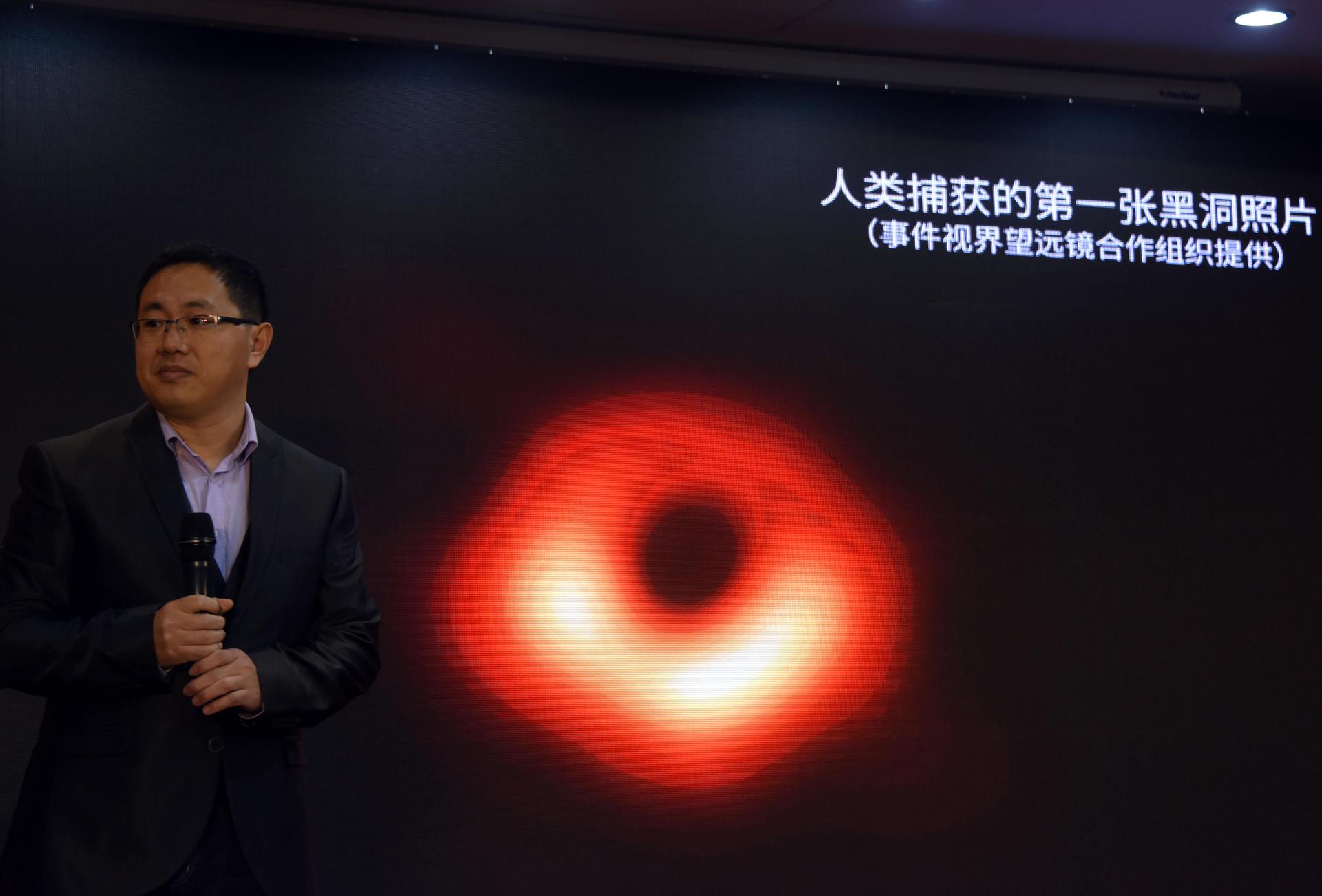
Independent Study Confirms First-Ever Black Hole Image, Validating Einstein’s Theory
By JOSEPH CURL
|This article is from the archive of The New York Sun before the launch of its new website in 2022. The Sun has neither altered nor updated such articles but will seek to correct any errors, mis-categorizations or other problems introduced during transfer.

Published:
Updated:
There is a simple perfection in portraiture of the Renaissance that never tires. Always alive, always engaging, the best works possess a quality that seems almost otherworldly. Parmigianino’s “Schiava Turca,” on view for the first time in the United States at the Frick, is a single portrait of an unknown woman from almost 500 years ago which holds your attention so that, after looking at it for a while, you walk around but return to see it again.
By JOSEPH CURL
|
By DAVID JONES
|
By ELYSA GARDNER
|
By ALEXANDER LARMAN
|
By HOLLIE McKAY
|
By JOSEPH CURL
|
By DAVID JONES
|
By GEORGE WILLIS
|There is a simple perfection in portraiture of the Renaissance that never tires. Always alive, always engaging, the best works possess a quality that seems almost otherworldly. Parmigianino’s “Schiava Turca,” on view for the first time in the United States at the Frick, is a single portrait of an unknown woman from almost 500 years ago which holds your attention so that, after looking at it for a while, you walk around but return to see it again.
Already have a subscription? Sign in to continue reading
Cancel anytime
By continuing you agree to our Privacy Policy and Terms of Service.
Cancel anytime