
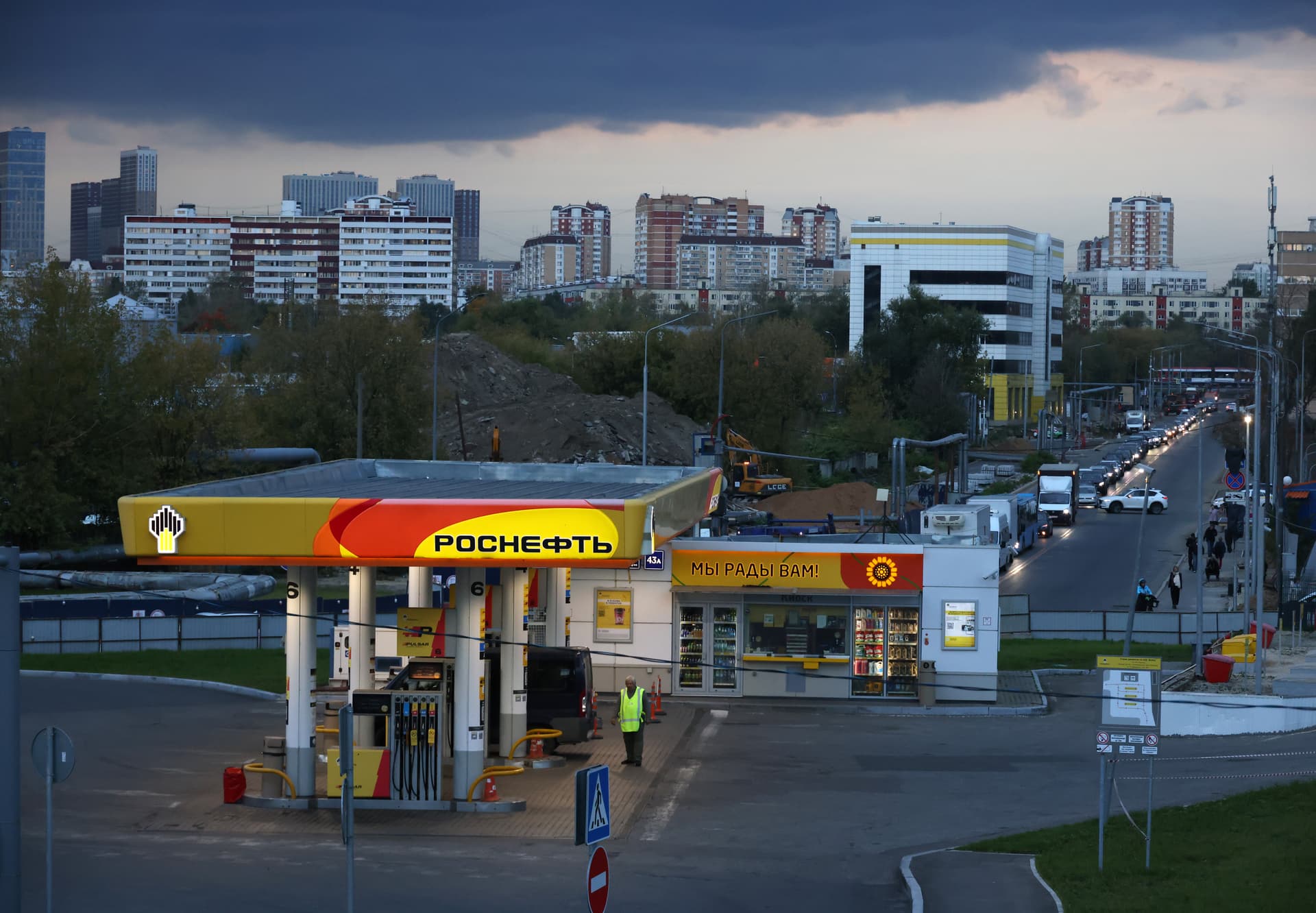
Zelensky Now Has a Card to Play with Trump: Diesel
By JAMES BROOKE
|This article is from the archive of The New York Sun before the launch of its new website in 2022. The Sun has neither altered nor updated such articles but will seek to correct any errors, mis-categorizations or other problems introduced during transfer.


Published:
Updated:
Political art is a polymorphous genre. An instrument of both independent protest and totalitarian control, it embraces everything between gentle social commentary and strident advocacy. The sense of outrage that motivated much art of the 1960s, ’70s, and ’80s can be traced to Goya’s “Disasters of War,” but today’s artists have long since discarded Goya’s pictorial acumen for a variety of confrontational tactics: Barbara Kruger’s tabloid-style admonitions (“Your Body is a Battleground”), for instance, or Hans Haacke’s planting of a corporate logo atop an old East Berlin observation tower.
By JAMES BROOKE
|
By MATTHEW RICE
|
By BRADLEY CORTRIGHT
|
By DANIEL McCARTHY
|
By CONRAD BLACK
|
By WILL FRIEDWALD
|
By MATTHEW RICE
|
By THE NEW YORK SUN
|Political art is a polymorphous genre. An instrument of both independent protest and totalitarian control, it embraces everything between gentle social commentary and strident advocacy. The sense of outrage that motivated much art of the 1960s, ’70s, and ’80s can be traced to Goya’s “Disasters of War,” but today’s artists have long since discarded Goya’s pictorial acumen for a variety of confrontational tactics: Barbara Kruger’s tabloid-style admonitions (“Your Body is a Battleground”), for instance, or Hans Haacke’s planting of a corporate logo atop an old East Berlin observation tower.
Already have a subscription? Sign in to continue reading
Cancel anytime
By continuing you agree to our Privacy Policy and Terms of Service.
Cancel anytime