
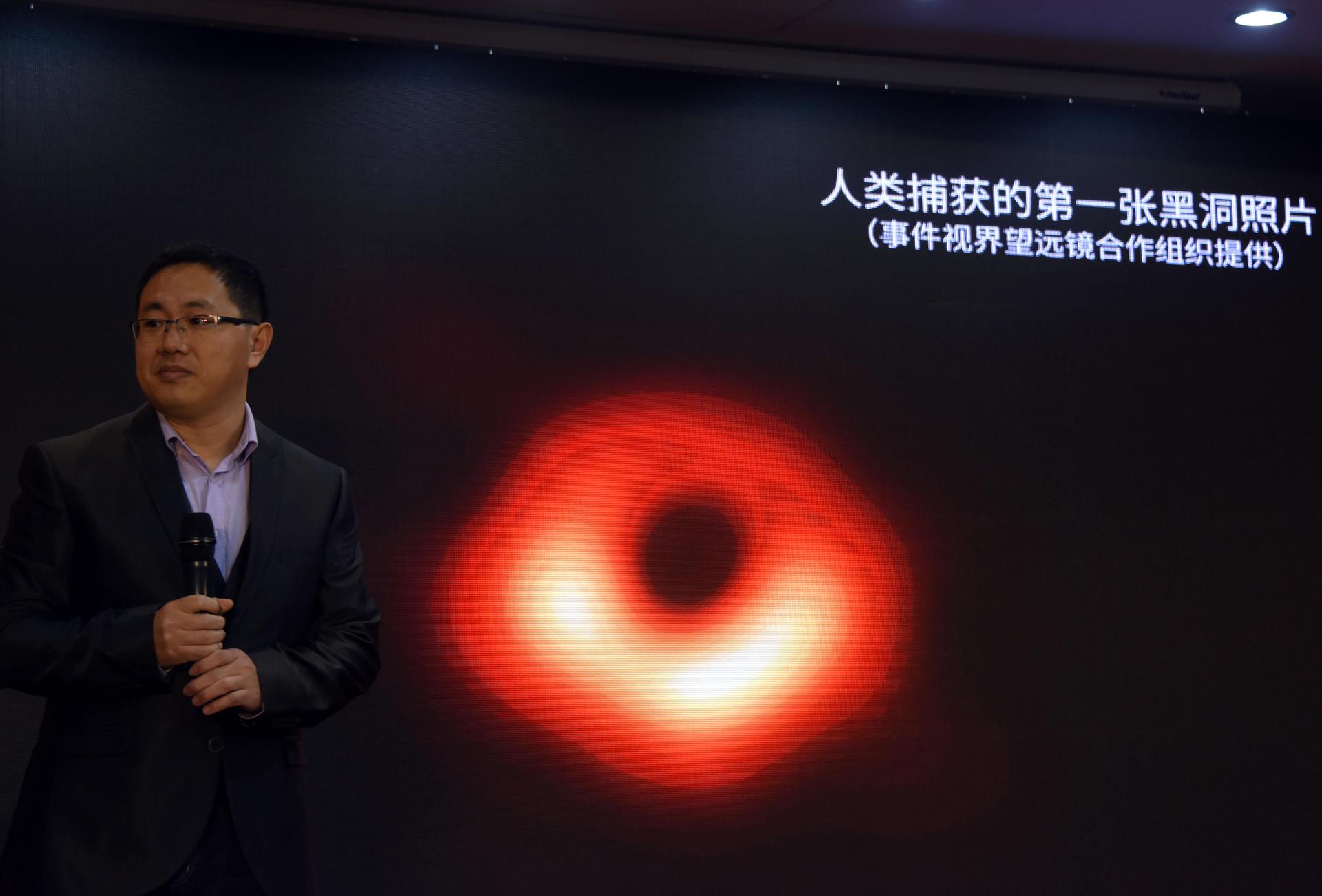
Independent Study Confirms First-Ever Black Hole Image, Validating Einstein’s Theory
By JOSEPH CURL
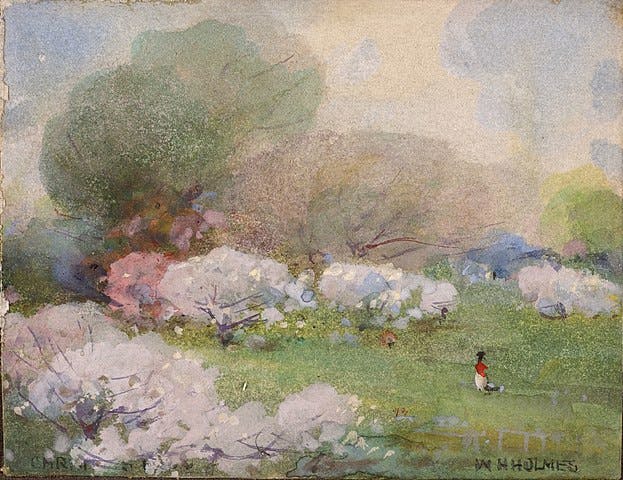
|In the imagination of the American poet Sara Teasdale, the world shines with a beauty so intense that it threatens at any moment to sharpen into grief.

Published:
Updated:
In the imagination of the American poet Sara Teasdale (1884–1933), the world shines with a beauty so intense that it threatens at any moment to sharpen into grief. Though a reviewer described an early collection of her poems as “a little volume of joyous and unstudied song,” her work, taken as a whole, hardly generates the impression either of ingenuousness or of unalloyed joy. To acknowledge, for example, her sense of the “the faithful beauty of the stars” is also to acknowledge, in the same breath, her sense of the terrible brokenness of the world, illuminated and made visible by that beauty.
By JOSEPH CURL
|
By DAVID JONES
|
By ELYSA GARDNER
|
By ALEXANDER LARMAN
|
By HOLLIE McKAY
|
By JOSEPH CURL
|
By DAVID JONES
|
By GEORGE WILLIS
|In the imagination of the American poet Sara Teasdale (1884–1933), the world shines with a beauty so intense that it threatens at any moment to sharpen into grief. Though a reviewer described an early collection of her poems as “a little volume of joyous and unstudied song,” her work, taken as a whole, hardly generates the impression either of ingenuousness or of unalloyed joy. To acknowledge, for example, her sense of the “the faithful beauty of the stars” is also to acknowledge, in the same breath, her sense of the terrible brokenness of the world, illuminated and made visible by that beauty.
Already have a subscription? Sign in to continue reading
Cancel anytime
By continuing you agree to our Privacy Policy and Terms of Service.
Cancel anytime