


Ukraine Seeks To Bomb Russia Back to the Analog Age
By JAMES BROOKE
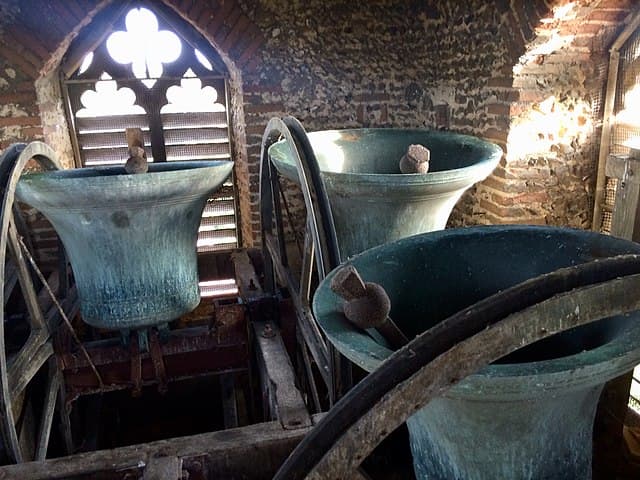
|As the bells ring out for Christmas Day, 1863, the terrible year when the American Civil War looked endless, the poem’s speaker contemplates the inviolable beauty of the holy day.
Henry Wadsworth Longfellow (1807–1882) was an intensely public poet and an intensely private man. His own griefs, and they were considerable, barely make an appearance in all the large body of his verse. The 1848 death of his daughter Fanny, for example, resulted in a poem, “Resignation,” which deals with mourning, that enduring Victorian theme — but in Longfellow’s poem, as a collective experience, not a personal one.
By JAMES BROOKE
|
By JOTAM CONFINO
|
By CONRAD BLACK
|
By A.R. HOFFMAN
|
By MATTHEW RICE
|
By CAROLINE DOWNEY
|
By ALEX ZDAN
|
By JOSEPH CURL
|Henry Wadsworth Longfellow (1807–1882) was an intensely public poet and an intensely private man. His own griefs, and they were considerable, barely make an appearance in all the large body of his verse. The 1848 death of his daughter Fanny, for example, resulted in a poem, “Resignation,” which deals with mourning, that enduring Victorian theme — but in Longfellow’s poem, as a collective experience, not a personal one.
Already have a subscription? Sign in to continue reading
Cancel anytime
By continuing you agree to our Privacy Policy and Terms of Service.
Cancel anytime