


Zelensky Tries Old-Fashioned Flattery on Musk as He Seeks Expanded Starlink Capabilities For New-Fangled Drone Strikes
By LUKE FUNK
|Yes, yes, Shakespeare says, you’ll notice my autumn. Perhaps you’ll consider that the more we live, the more we’re always dying.
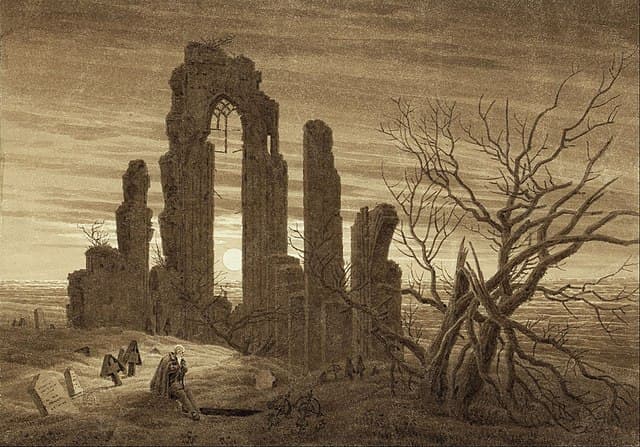
This most famous of the one hundred fifty-four sonnets of William Shakespeare (1564-1616) evokes, as we all know, both the sweet sadness of the year’s waning and the less-sweet sadness of our own prospective decline. The poem’s fourth line — “Bare ruin’d choirs, where late the sweet birds sang” — is, if not the outright winner, at least a strong contender for the best poetic line ever rendered in English. Sonnet 73 illustrates, as well, why this Shakespearian sonnet form, also known as the “English sonnet,” came to be identified not with its originator, Henry Howard, Earl of Surrey (1517–1547), but with Shakespeare.
By LUKE FUNK
|
By ALEX ZDAN
|
By BENNY AVNI
|
By ROSS ANDERSON
|
By ELYSA GARDNER
|
By MATTHEW RICE
|
By THE NEW YORK SUN
|
By LUKE FUNK
|This most famous of the one hundred fifty-four sonnets of William Shakespeare (1564-1616) evokes, as we all know, both the sweet sadness of the year’s waning and the less-sweet sadness of our own prospective decline. The poem’s fourth line — “Bare ruin’d choirs, where late the sweet birds sang” — is, if not the outright winner, at least a strong contender for the best poetic line ever rendered in English. Sonnet 73 illustrates, as well, why this Shakespearian sonnet form, also known as the “English sonnet,” came to be identified not with its originator, Henry Howard, Earl of Surrey (1517–1547), but with Shakespeare.
Already have a subscription? Sign in to continue reading
Cancel anytime
By continuing you agree to our Privacy Policy and Terms of Service.