


Nonbinary Runners Sue Philadelphia Marathon Over Exclusion From Professional Division
By BRADLEY CORTRIGHT
|The Supreme Court turns to general warrants in the age of mobile phones.
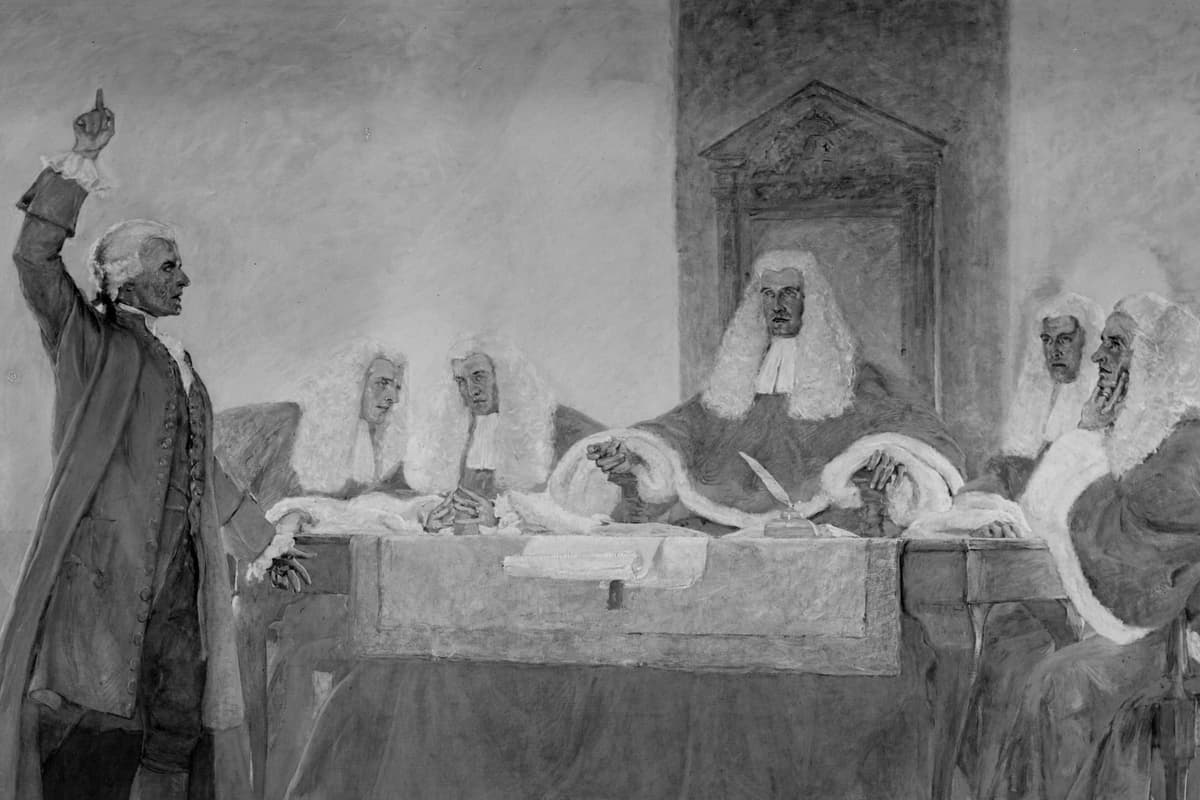
Does the Fourth Amendment’s protection of Americans from “unreasonable searches and seizures” and general warrants apply in an age of mobile phones? The question will be argued Monday before the Supreme Court. Chatrie v. United States centers on a surveillance tool called geofencing. The technology, unknown to the Framers, but not alien to their ken, enables, say, cell phone users within a specific area to be identified by companies — and police.
By BRADLEY CORTRIGHT
|
By A.R. HOFFMAN
|
By THE NEW YORK SUN
|
By THE NEW YORK SUN
|
By ROSS ANDERSON
|
By MARIO NAVES
|
By MATTHEW RICE
|
By ELYSA GARDNER
|Does the Fourth Amendment’s protection of Americans from “unreasonable searches and seizures” and general warrants apply in an age of mobile phones? The question will be argued Monday before the Supreme Court. Chatrie v. United States centers on a surveillance tool called geofencing. The technology, unknown to the Framers, but not alien to their ken, enables, say, cell phone users within a specific area to be identified by companies — and police.
Already have a subscription? Sign in to continue reading
Cancel anytime
By continuing you agree to our Privacy Policy and Terms of Service.
Cancel anytime