
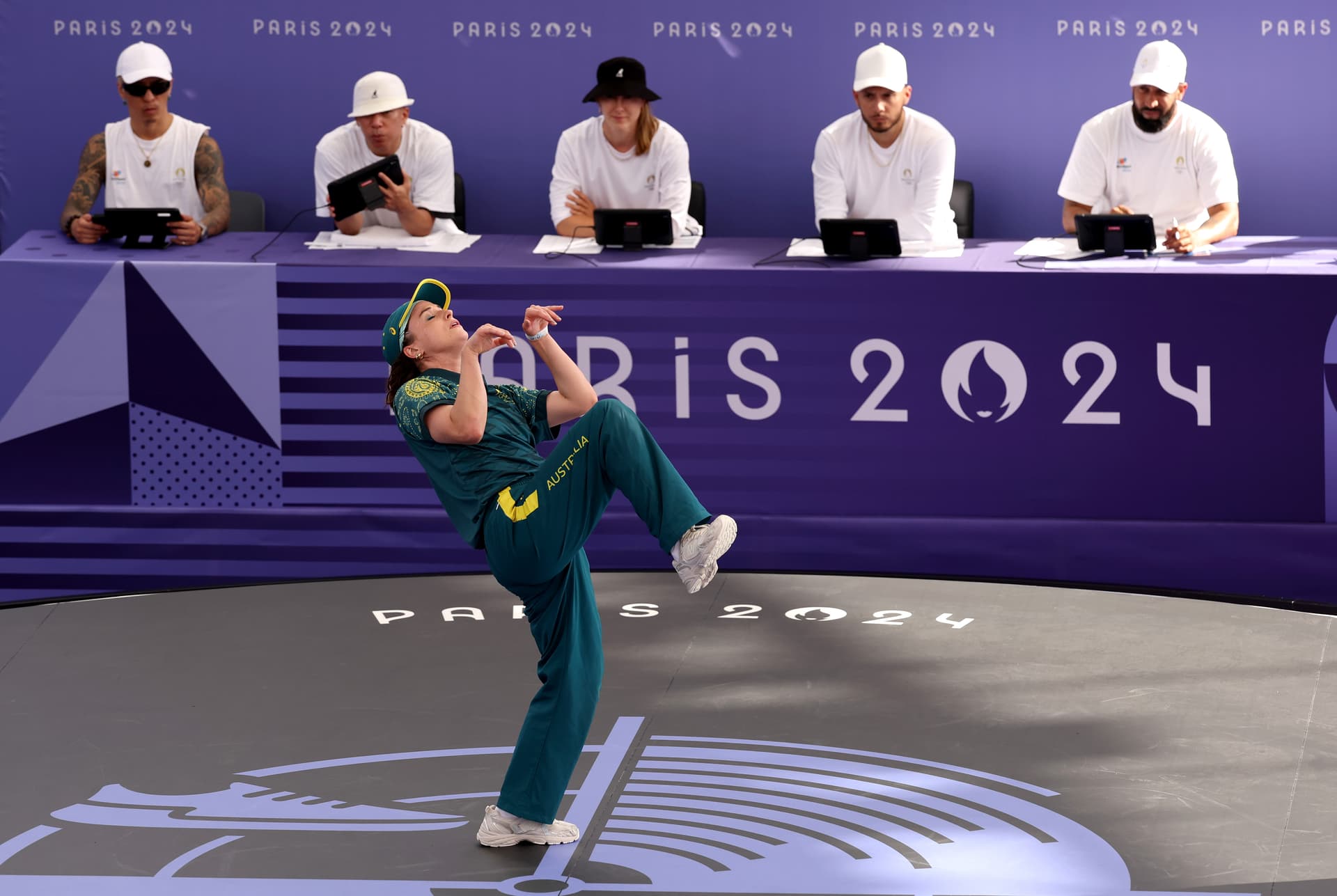
Rachael ‘Raygun’ Gunn Re-emerges From ‘Slow-Motion Car Crash’ With Docuflick Revisiting Olympic Breakdance Firestorm
By GEORGE WILLIS
|This article is from the archive of The New York Sun before the launch of its new website in 2022. The Sun has neither altered nor updated such articles but will seek to correct any errors, mis-categorizations or other problems introduced during transfer.

Published:
Updated:
Sometimes the smallest of things can illuminate the largest. A fossil tells the story of massive planetary change, a line or two of poetry does more to explain trench warfare than a dozen history books, and the miniatures of Nicholas Hilliard bring Gloriana’s long vanished England back to iridescent, dangerous life. In writing “Lenin’s Brain” (Hoover Institution Press, 163 pages, $15), Houston University professor Paul R. Gregory has mined the Hoover Institution’s extraordinary collection of Soviet archival material to come up with 14 brief, deftly chosen tales that brilliantly illuminate the cruelties, the absurdities, and the failures of the USSR’s malignant, broken-backed utopia, with a precision and a concision that have rarely been equaled.
By GEORGE WILLIS
|
By CARL ROLLYSON
|
By A.R. HOFFMAN
|
By BRADLEY CORTRIGHT
|
By LUKE FUNK
|
By GEORGE WILLIS
|
By WILL FRIEDWALD
|
By MATTHEW RICE
|Sometimes the smallest of things can illuminate the largest. A fossil tells the story of massive planetary change, a line or two of poetry does more to explain trench warfare than a dozen history books, and the miniatures of Nicholas Hilliard bring Gloriana’s long vanished England back to iridescent, dangerous life. In writing “Lenin’s Brain” (Hoover Institution Press, 163 pages, $15), Houston University professor Paul R. Gregory has mined the Hoover Institution’s extraordinary collection of Soviet archival material to come up with 14 brief, deftly chosen tales that brilliantly illuminate the cruelties, the absurdities, and the failures of the USSR’s malignant, broken-backed utopia, with a precision and a concision that have rarely been equaled.
Already have a subscription? Sign in to continue reading
Cancel anytime
By continuing you agree to our Privacy Policy and Terms of Service.