
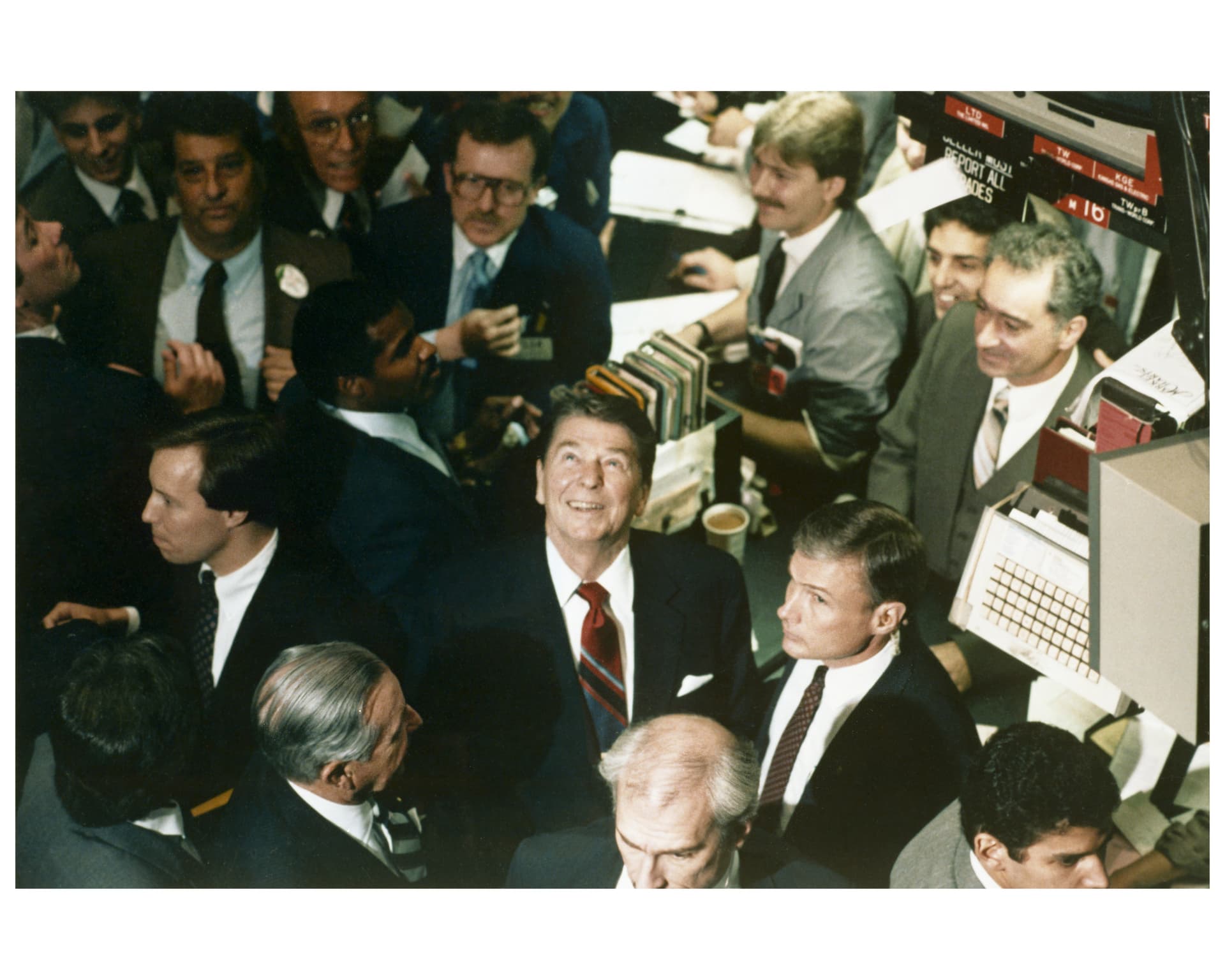
The Long Hangover of the Roaring Eighties
By TOM DEIGNAN
|This article is from the archive of The New York Sun before the launch of its new website in 2022. The Sun has neither altered nor updated such articles but will seek to correct any errors, mis-categorizations or other problems introduced during transfer.

Published:
Updated:
“New York Divided,” the exhibition at the New-York Historical Society, makes clear that New Yorkers did not care for Abraham Lincoln any more than they care for George W. Bush. Yet New York was central to Lincoln’s career, as Harold Holzer demonstrated in his book “Lincoln at Cooper Union” (2004). On February 27, 1860, Lincoln appeared at Cooper Union as part of a series of speeches by presidential hopefuls — among whom Lincoln was not a front-runner — from the young Republican Party.
By TOM DEIGNAN
|
By SHARON KEHNEMUI
|
By MATTHEW RICE
|
By CARL ROLLYSON
|
By SHARON KEHNEMUI
|
By JEFFREY WELLS
|
By SHARON KEHNEMUI
|
By JOSEPH CURL
|“New York Divided,” the exhibition at the New-York Historical Society, makes clear that New Yorkers did not care for Abraham Lincoln any more than they care for George W. Bush. Yet New York was central to Lincoln’s career, as Harold Holzer demonstrated in his book “Lincoln at Cooper Union” (2004). On February 27, 1860, Lincoln appeared at Cooper Union as part of a series of speeches by presidential hopefuls — among whom Lincoln was not a front-runner — from the young Republican Party.
Already have a subscription? Sign in to continue reading
Cancel anytime
By continuing you agree to our Privacy Policy and Terms of Service.
Cancel anytime