


Russell Brand’s Downfall and the Society That Enabled Him
By JULIENNE DAVIS
|Christopher Nolan’s biopic is based in large part on ‘American Prometheus,’ a book that depicts Oppenheimer as a victim of the Red Scare and largely glosses over his ties to communism.
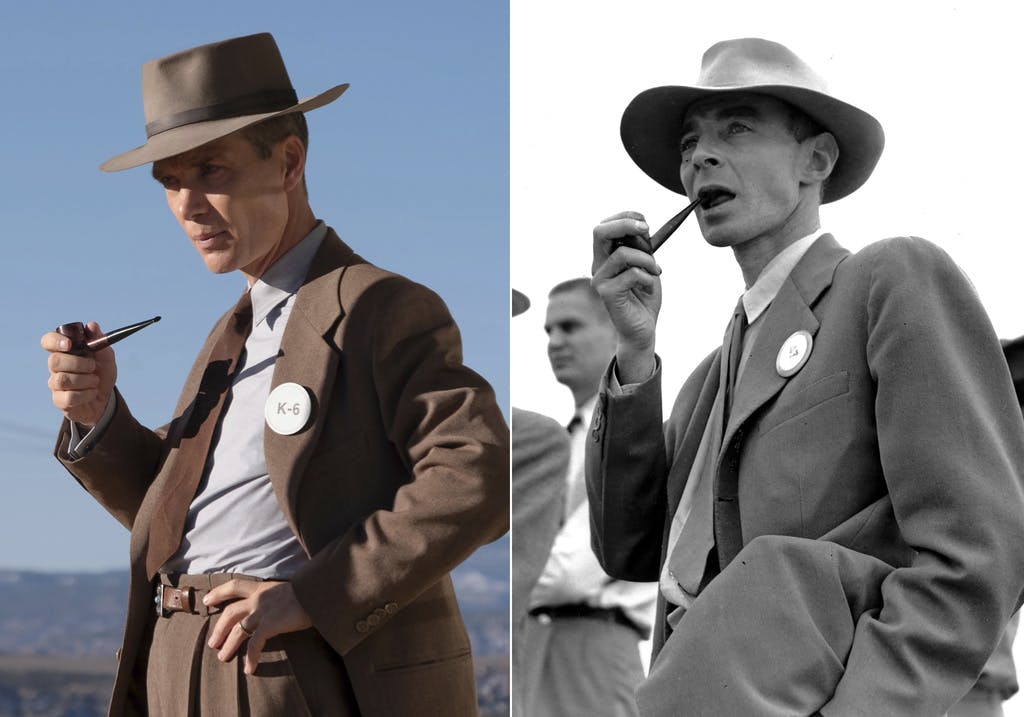
When “American Prometheus” was published in 2005, I wrote a review for The New York Sun pointing out that too often J. Robert Oppenheimer’s life became a morality tale about the perfidy of McCarthyism, obscuring the implications of Oppenheimer’s political commitments and his unwillingness to confront his complicity in anti-American rhetoric and Communist propaganda that may have compromised his security clearance. Christopher Nolan’s new film, “Oppenheimer,” based in large part on “American Prometheus,” needs to be viewed in a context that is much larger than the martyrology of McCarthyism.
By JULIENNE DAVIS
|
By LUKE FUNK
|
By LAWRENCE KUDLOW
|
By HOLLIE McKAY
|
By JENNIFER DOHERTY
|
By THE NEW YORK SUN
|
By JAMES BROOKE
|
By JENNIFER DOHERTY
|When “American Prometheus” was published in 2005, I wrote a review for The New York Sun pointing out that too often J. Robert Oppenheimer’s life became a morality tale about the perfidy of McCarthyism, obscuring the implications of Oppenheimer’s political commitments and his unwillingness to confront his complicity in anti-American rhetoric and Communist propaganda that may have compromised his security clearance. Christopher Nolan’s new film, “Oppenheimer,” based in large part on “American Prometheus,” needs to be viewed in a context that is much larger than the martyrology of McCarthyism.
Already have a subscription? Sign in to continue reading
Cancel anytime
By continuing you agree to our Privacy Policy and Terms of Service.
Cancel anytime