
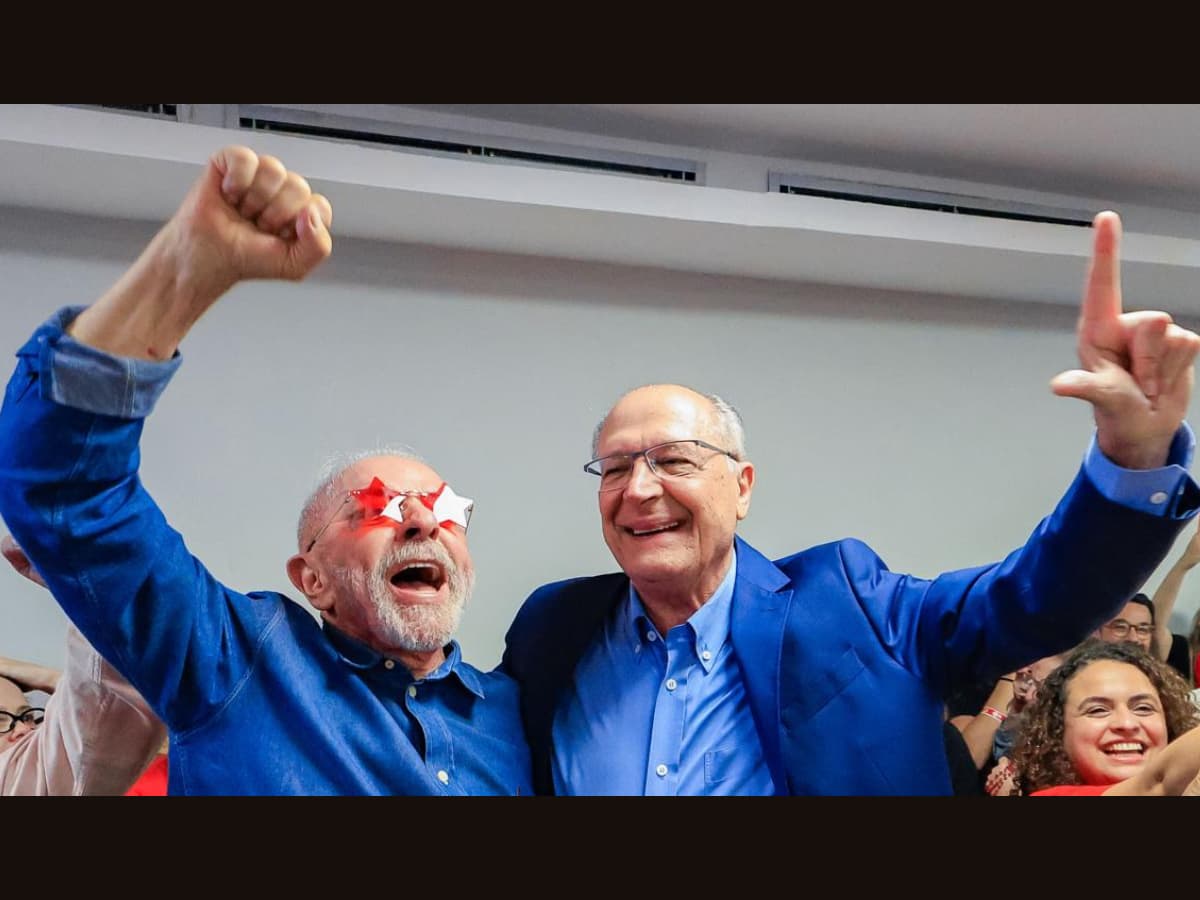
Bolsonaro Calls for Annulment of Election After Brazilian Court Orders Precincts To Stay Open, Lula Pulls Upset Victory
By SHARON KEHNEMUI
|This article is from the archive of The New York Sun before the launch of its new website in 2022. The Sun has neither altered nor updated such articles but will seek to correct any errors, mis-categorizations or other problems introduced during transfer.

Published:
Updated:
Theodore Litovitz, 82, a prolific inventor who discovered a way to store nuclear waste more safely, created an electronic chip to shield cellphone users from harmful electromagnetic radiation and developed some of the early fiber optics now used for telecommunications, died of complications of kidney cancer May 1 at Anne Arundel Medical Center in Annapolis.
By SHARON KEHNEMUI
|
By MATTHEW RICE
|
By DEAN KARAYANIS
|
By MATTHEW RICE
|
By GEORGE WILL
|
By SEBASTIAN DOGGART
|
By CARLOS SOUSA
|
By MATTHEW RICE
|Theodore Litovitz, 82, a prolific inventor who discovered a way to store nuclear waste more safely, created an electronic chip to shield cellphone users from harmful electromagnetic radiation and developed some of the early fiber optics now used for telecommunications, died of complications of kidney cancer May 1 at Anne Arundel Medical Center in Annapolis.
Already have a subscription? Sign in to continue reading
Cancel anytime
By continuing you agree to our Privacy Policy and Terms of Service.
Cancel anytime