
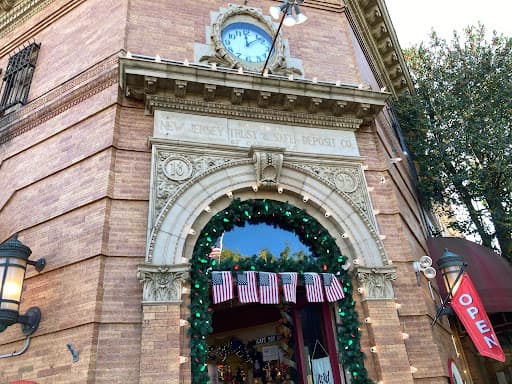
A Return Ticket to New Jersey’s Cape May
By CARL ROLLYSON
|This article is from the archive of The New York Sun before the launch of its new website in 2022. The Sun has neither altered nor updated such articles but will seek to correct any errors, mis-categorizations or other problems introduced during transfer.

Published:
Updated:
For a quarter-century after World War II, money was based on a loose version of the gold standard. The U.S. dollar was pegged to gold; other currencies were pegged to the dollar; stable prices underpinned the prosperity and soaring trade of the 1950s and 1960s.
By CARL ROLLYSON
|
By SHARON KEHNEMUI
|
By ELYSA GARDNER
|
By BENNY AVNI
|
By JOSEPH CURL
|
By MICHAEL BARONE
|
By NEWT GINGRICH
|
By WILL FRIEDWALD
|For a quarter-century after World War II, money was based on a loose version of the gold standard. The U.S. dollar was pegged to gold; other currencies were pegged to the dollar; stable prices underpinned the prosperity and soaring trade of the 1950s and 1960s.
Already have a subscription? Sign in to continue reading
Cancel anytime
By continuing you agree to our Privacy Policy and Terms of Service.
Cancel anytime