
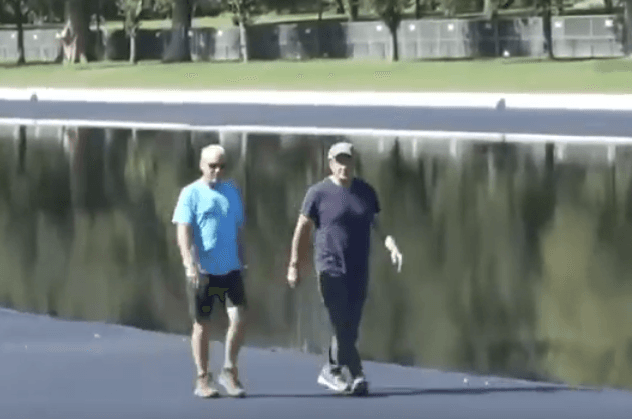
Maryland Teen Sues CBS News for Defamation Over Reflecting Pool Vandalism Segment
By BRADLEY CORTRIGHT
|Carroll plucks up the mythic Atalanta and drops her onto a London bus with a suitor who has not read his Ovid. Or his Swinburne, for that matter.

Published:
Updated:
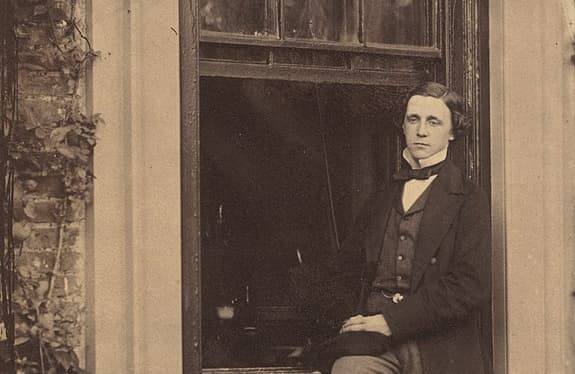
Among other things, Lewis Carroll (1832–1898) was an unabashed admirer of his Victorian contemporary, the poet Algernon Charles Swinburne (1837–1909). Swinburne was concerned, among other things, with creating a neo-Hellenic literature in English. In 1865 he published a long tragedy-in-verse, “Atalanta in Calydon,” dedicated to his mentor Walter Savage Landor and based on the Greek myth of the Calydonian boar hunt. The verse play concludes in an operatic 300-line call-and-response death scene, with each stanza consisting of four abab trimeter lines and a hexameter.
By BRADLEY CORTRIGHT
|
By ALEX ZDAN
|
By ALEXANDER LARMAN
|
By JOSEPH CURL
|
By GEORGE WILLIS
|
By LUKE FUNK
|
By JOSEPH CURL
|
By BRADLEY CORTRIGHT
|Among other things, Lewis Carroll (1832–1898) was an unabashed admirer of his Victorian contemporary, the poet Algernon Charles Swinburne (1837–1909). Swinburne was concerned, among other things, with creating a neo-Hellenic literature in English. In 1865 he published a long tragedy-in-verse, “Atalanta in Calydon,” dedicated to his mentor Walter Savage Landor and based on the Greek myth of the Calydonian boar hunt. The verse play concludes in an operatic 300-line call-and-response death scene, with each stanza consisting of four abab trimeter lines and a hexameter.
Already have a subscription? Sign in to continue reading
Cancel anytime
By continuing you agree to our Privacy Policy and Terms of Service.
Cancel anytime