

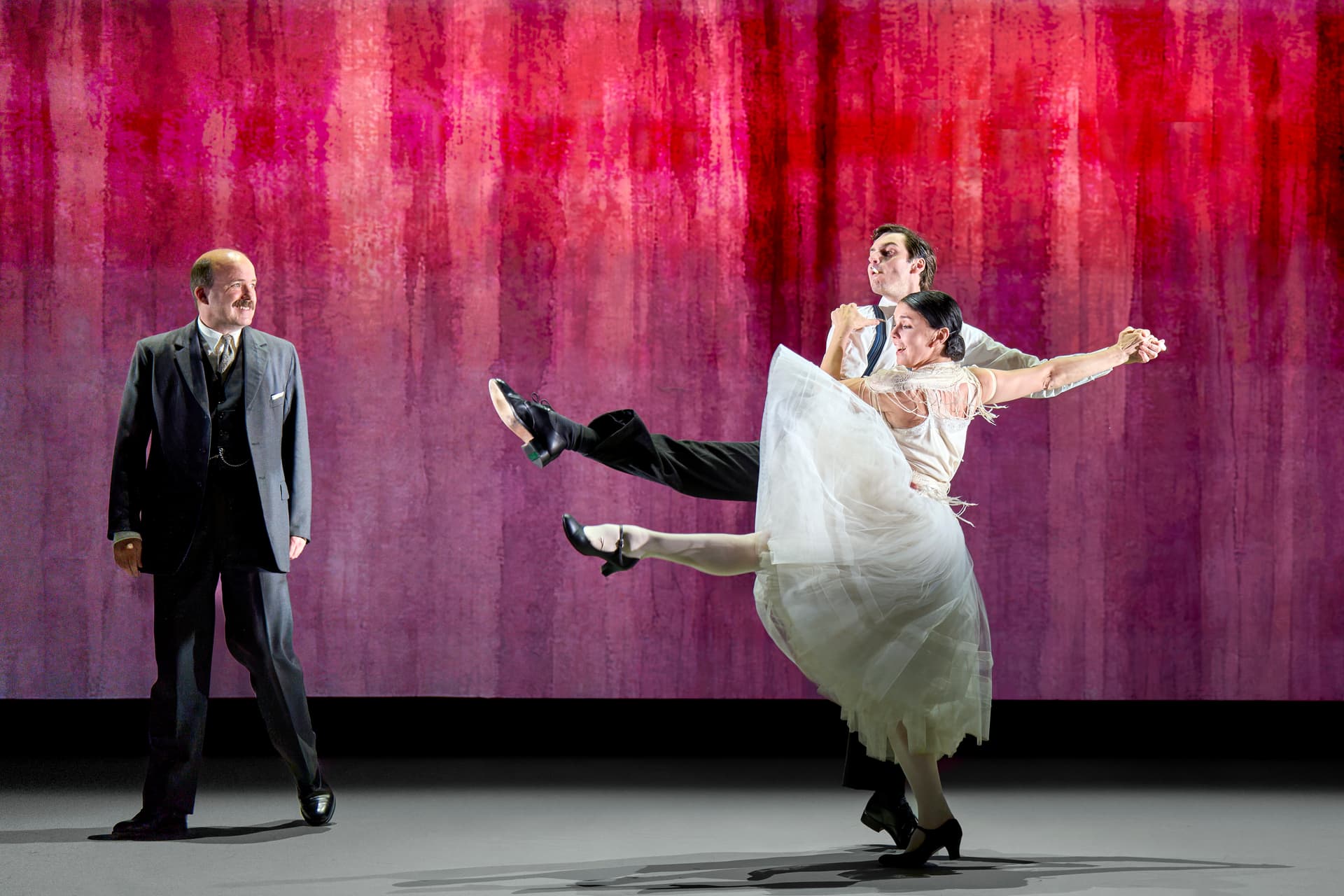
New York Film Festival Review: ‘Behemoth!’ Has Nine Composers and No Heart
By SEBASTIAN DOGGART
|Thomas Hardy occupies space in the public mind mostly as a novelist. Yet he thought of himself as a poet.

Published:
Updated:
With such books as “Jude the Obscure,” “Far from the Madding Crowd,“ “The Mayor of Casterbridge,” and “Tess of the d’Urbervilles” still on what remains of college reading lists, Thomas Hardy (1840–1928) occupies space in the public mind mostly as a novelist. Yet he thought of himself as a poet, and he wrote hundreds of poems: all accomplished, often complicated in their technical construction, and all pointing toward deep thoughts. As his novels claimed public attention, his poetry faded, but in the second half of the 20th century, the poet Philip Larkin led the effort to revive Hardy’s poetry. The work is so vast, and so good, that even the formalist poets who love his work will inevitably discover that there is always yet one more Hardy poem they didn’t know. In “How Great My Grief,” Hardy constructs a tetrameter triolet (an eight-line, two-rhyme poetic form) to express the long pain of loss.
By SEBASTIAN DOGGART
|
By JOSEPH CURL
|
By GEORGE WILLIS
|
By HOLLIE McKAY
|
By DAVID JONES
|
By JOSEPH CURL
|
By THE NEW YORK SUN
|
By LAURA THOMPSON
|With such books as “Jude the Obscure,” “Far from the Madding Crowd,“ “The Mayor of Casterbridge,” and “Tess of the d’Urbervilles” still on what remains of college reading lists, Thomas Hardy (1840–1928) occupies space in the public mind mostly as a novelist. Yet he thought of himself as a poet, and he wrote hundreds of poems: all accomplished, often complicated in their technical construction, and all pointing toward deep thoughts. As his novels claimed public attention, his poetry faded, but in the second half of the 20th century, the poet Philip Larkin led the effort to revive Hardy’s poetry. The work is so vast, and so good, that even the formalist poets who love his work will inevitably discover that there is always yet one more Hardy poem they didn’t know. In “How Great My Grief,” Hardy constructs a tetrameter triolet (an eight-line, two-rhyme poetic form) to express the long pain of loss.
Already have a subscription? Sign in to continue reading
Cancel anytime
By continuing you agree to our Privacy Policy and Terms of Service.
Cancel anytime