
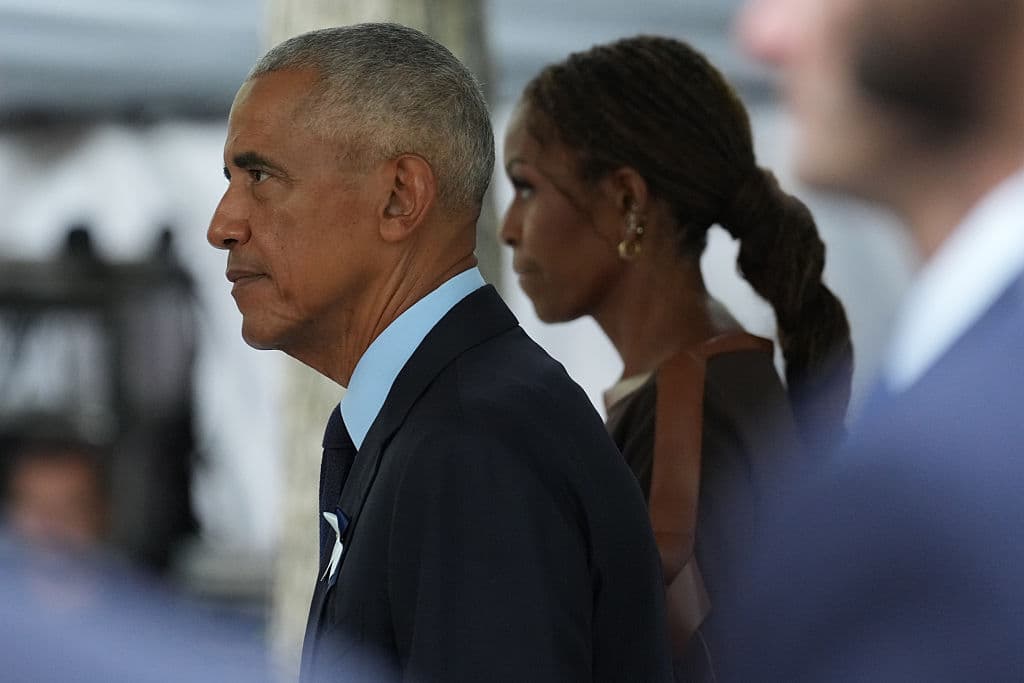
Barack Obama’s Anti-Israel Era
By THE NEW YORK SUN
|Christopher Smart was a madman, a genius, a Christian poet, and a mystic of small things.


Published:
Updated:
Christopher Smart (1722–1771) was a madman, a genius, a Christian poet, and a mystic of small things. At his worst, he would rage against his father-in-law (with, it must be admitted, some justification). At his best he could convey the delicate mysticism that is not pantheism but nonetheless sees the world as infused with grace, a hunger for redemption, and the constant interaction of creatures and creator. His most referenced poem, “Jubilate Agno,” opens with a long description of his cat’s relation to God — hilariously exaggerated, sharply observed, and mystically suffused with the sense that to exist is to be caught up in the great narrative of creation.
By THE NEW YORK SUN
|
By ROSS ANDERSON
|
By LAWRENCE KUDLOW
|
By GEORGE WILLIS
|
By JENNIFER DOHERTY
|
By LUKE FUNK
|
By A.R. HOFFMAN
|
By ALEXANDER LARMAN
|Christopher Smart (1722–1771) was a madman, a genius, a Christian poet, and a mystic of small things. At his worst, he would rage against his father-in-law (with, it must be admitted, some justification). At his best he could convey the delicate mysticism that is not pantheism but nonetheless sees the world as infused with grace, a hunger for redemption, and the constant interaction of creatures and creator. His most referenced poem, “Jubilate Agno,” opens with a long description of his cat’s relation to God — hilariously exaggerated, sharply observed, and mystically suffused with the sense that to exist is to be caught up in the great narrative of creation.
Already have a subscription? Sign in to continue reading
Cancel anytime
By continuing you agree to our Privacy Policy and Terms of Service.
Cancel anytime