


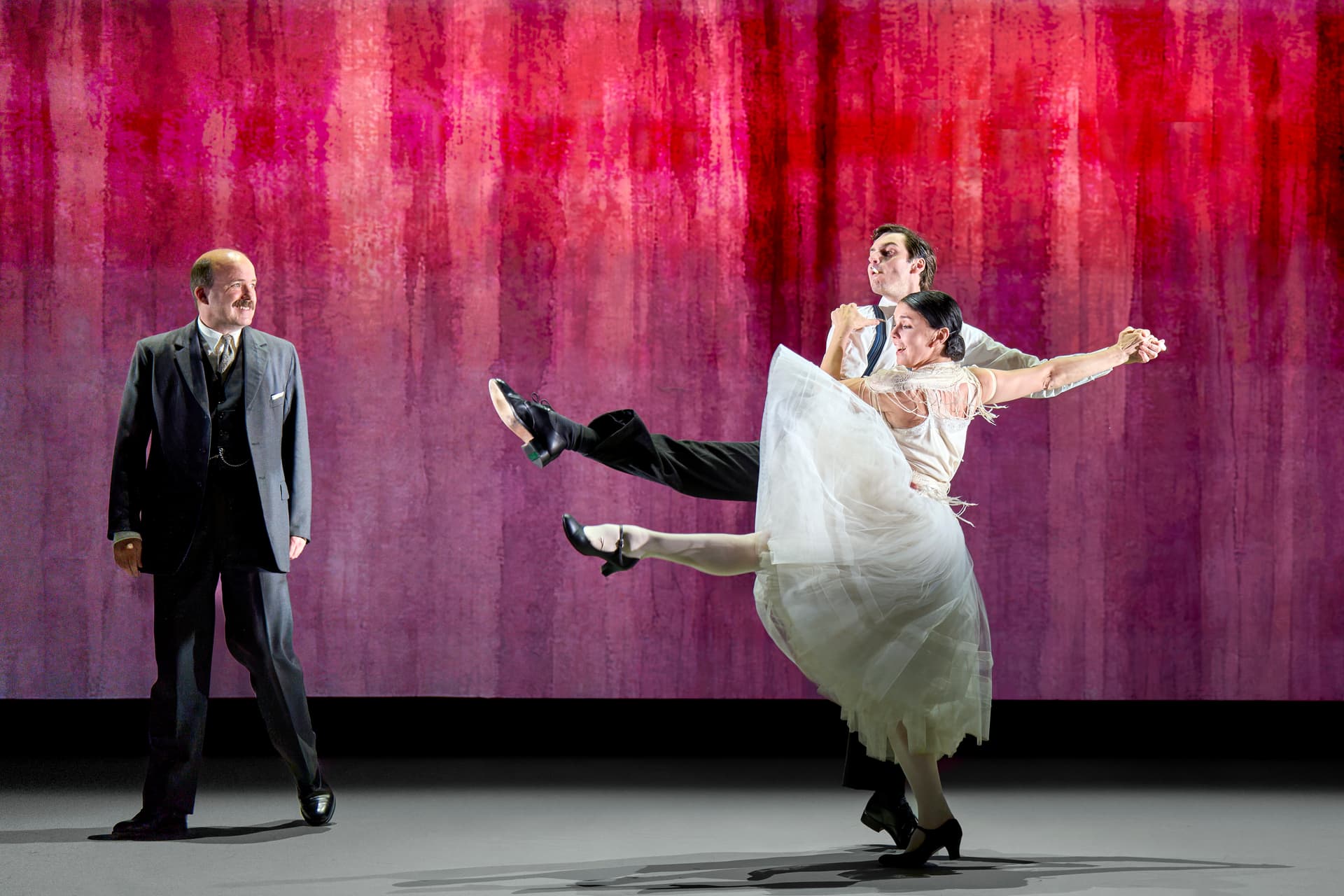
New York Film Festival Review: ‘Behemoth!’ Has Nine Composers and No Heart
By SEBASTIAN DOGGART
|When James Thomson composed his poem, he was hardly describing contemporary reality. In the early 1740s, eclipsed by the Dutch and harried by Spain, the Royal Navy was more a mercantile concern than an imperial force.
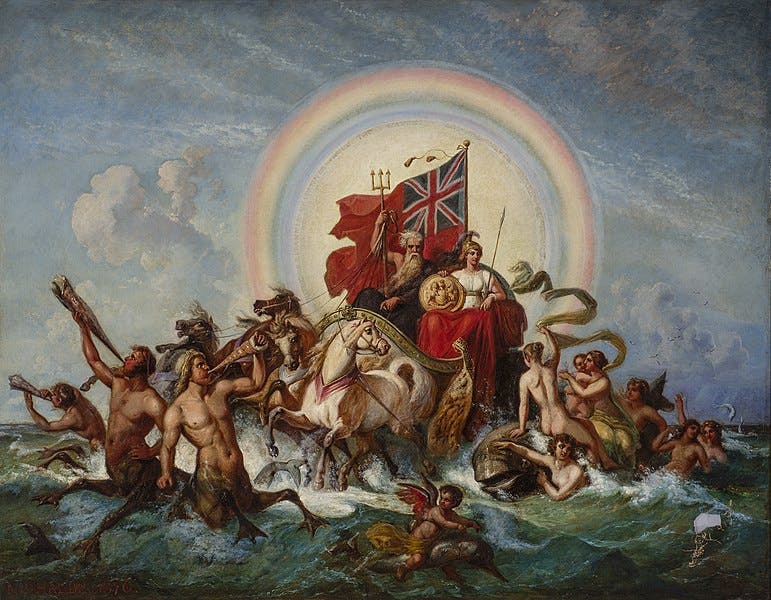
In 1740, the Scots poet and dramatist James Thomson (1700–1748), with the English composer Thomas Arne, presented “Alfred,” a masque celebrating the life of the ninth-century Saxon king, at the country estate of the Prince of Wales. Although the rest of the masque has lapsed into obscurity, its musical finale, “Rule Britannia” has achieved an independent immortality. With its bouncing tetrameter quatrains set to Arne’s ebullient late-baroque score, it is in its way as irresistibly singable as Handel’s 1741 “Hallelujah Chorus.”
By SEBASTIAN DOGGART
|
By JOSEPH CURL
|
By GEORGE WILLIS
|
By HOLLIE McKAY
|
By DAVID JONES
|
By JOSEPH CURL
|
By THE NEW YORK SUN
|
By LAURA THOMPSON
|In 1740, the Scots poet and dramatist James Thomson (1700–1748), with the English composer Thomas Arne, presented “Alfred,” a masque celebrating the life of the ninth-century Saxon king, at the country estate of the Prince of Wales. Although the rest of the masque has lapsed into obscurity, its musical finale, “Rule Britannia” has achieved an independent immortality. With its bouncing tetrameter quatrains set to Arne’s ebullient late-baroque score, it is in its way as irresistibly singable as Handel’s 1741 “Hallelujah Chorus.”
Already have a subscription? Sign in to continue reading
Cancel anytime
By continuing you agree to our Privacy Policy and Terms of Service.
Cancel anytime