


Phone, Computers, Passport Among Items Taken in Ilhan Omar Raid as List of Subpoenas Grows
By LUKE FUNK
|A poem to celebrate the May 12 birthday of Edward Lear, the 19th-century exemplar of nonsense.
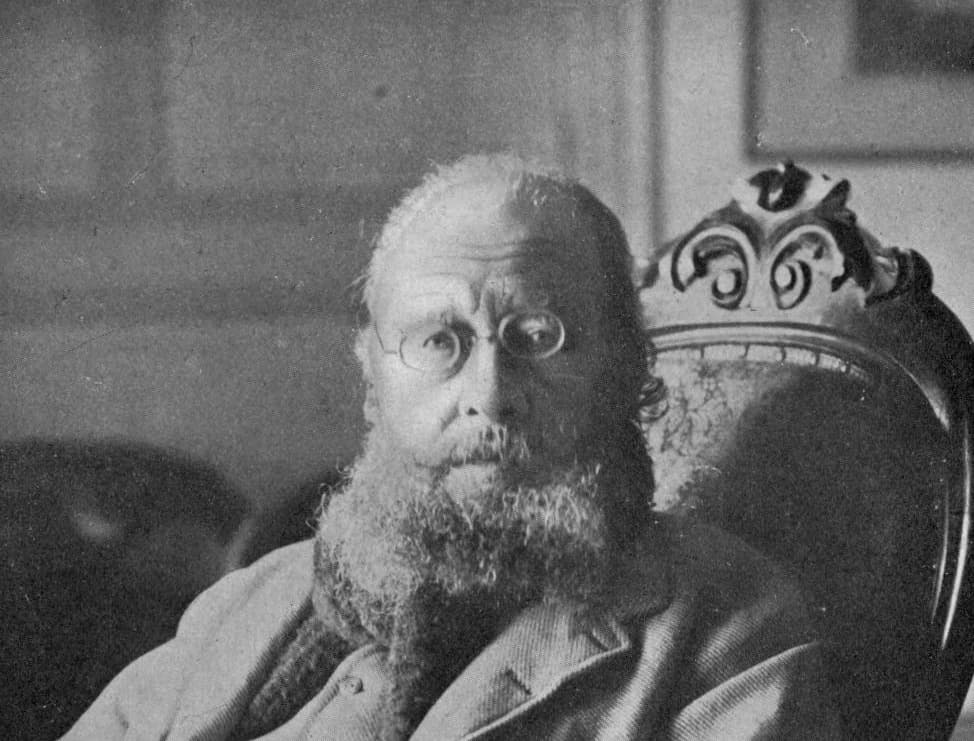
In roughly the same era that the French poets gave us surrealism, the English poets gave us nonsense verse—and that might be the surest guide to the difference between the languages. The 19th-century exemplar of nonsense was Edward Lear (1812–1888), who wrote “The Owl and the Pussycat” and many other children’s classics. In the tetrameter couplets of “The Table and the Chair,” he paints a surrealistic scene of furniture strolling out to take the air — for no purpose other than the comedy of the language and the nonsense of the tale. A poem to celebrate Lear’s May 12 birthday.
By LUKE FUNK
|
By MARIE POHL
|
By DONALD KIRK
|
By BRADLEY CORTRIGHT
|
By ALEX ZDAN
|
By ALEXANDER LARMAN
|
By JOSEPH CURL
|
By GEORGE WILLIS
|In roughly the same era that the French poets gave us surrealism, the English poets gave us nonsense verse—and that might be the surest guide to the difference between the languages. The 19th-century exemplar of nonsense was Edward Lear (1812–1888), who wrote “The Owl and the Pussycat” and many other children’s classics. In the tetrameter couplets of “The Table and the Chair,” he paints a surrealistic scene of furniture strolling out to take the air — for no purpose other than the comedy of the language and the nonsense of the tale. A poem to celebrate Lear’s May 12 birthday.
Already have a subscription? Sign in to continue reading
Cancel anytime
By continuing you agree to our Privacy Policy and Terms of Service.
Cancel anytime