
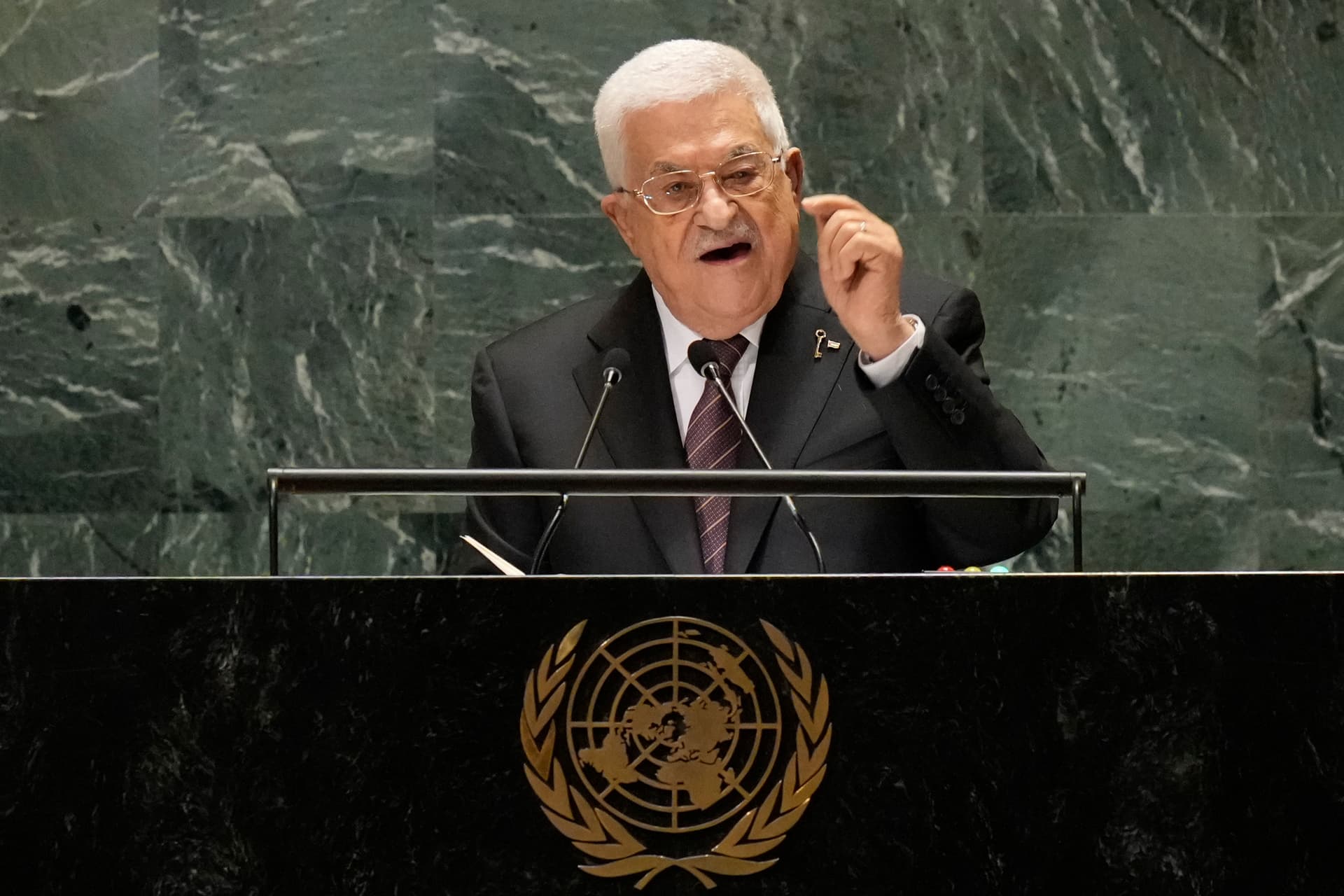
U.S. Bars Mahmoud Abbas From UN General Assembly, Accusing Palestinian Authority of ‘Glorifying Terrorism’
By JOTAM CONFINO
|The president may find a power available to him in a law passed in 1930, the Smoot-Hawley Act.

Published:
Updated:
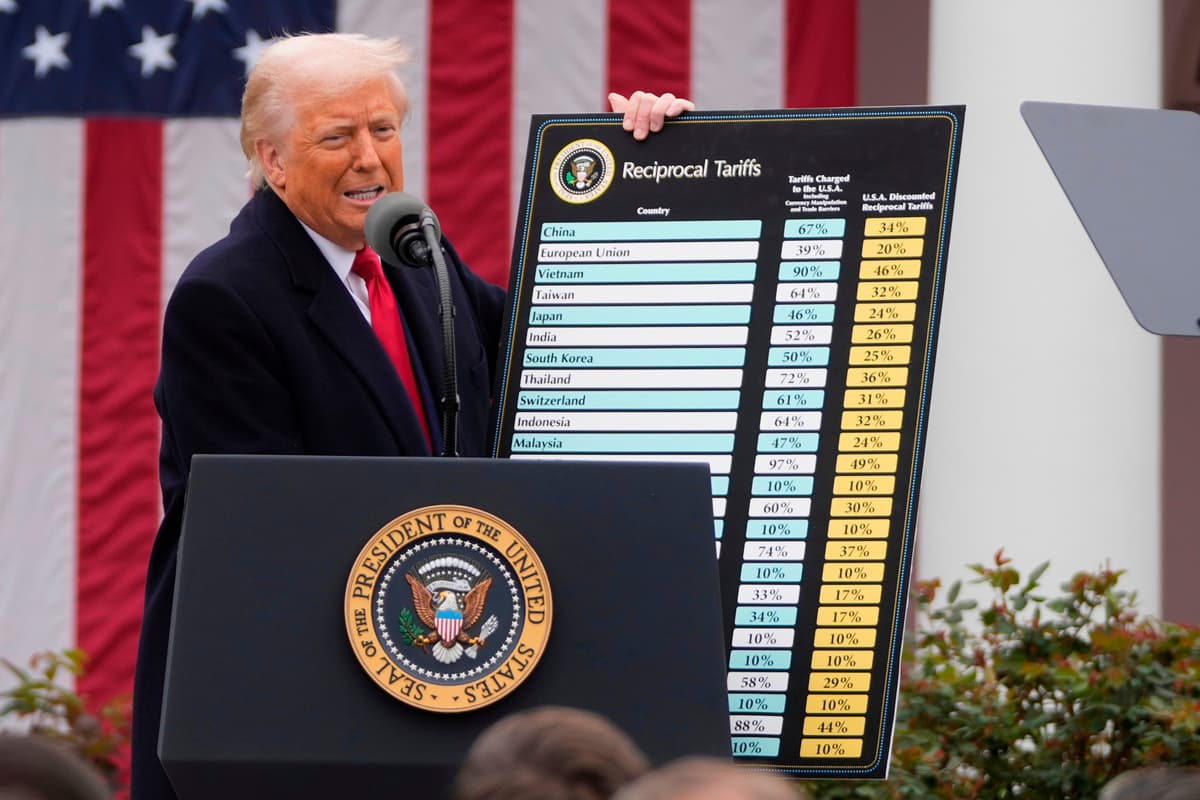
President Trump has a new legal rationale for unilaterally setting tariffs, five months after the Supreme Court ruled that the commander in chief lacked, by law, this power. Pointing to the authority delegated to the president under the Smoot-Hawley Tariff Act of 1930, Mr. Trump is saddling duties of 50 percent on many Canadian goods. Economist Paul Krugman calls the move “almost surely illegal,” but the Act’s text suggests Mr. Trump has a case.
By JOTAM CONFINO
|
By MATTHEW RICE
|
By DEAN KARAYANIS
|
By LIN CHIA-LUNG
|
By STEPHEN MOORE
|
By JENNIFER DOHERTY
|
By A.R. HOFFMAN
|
By THE NEW YORK SUN
|President Trump has a new legal rationale for unilaterally setting tariffs, five months after the Supreme Court ruled that the commander in chief lacked, by law, this power. Pointing to the authority delegated to the president under the Smoot-Hawley Tariff Act of 1930, Mr. Trump is saddling duties of 50 percent on many Canadian goods. Economist Paul Krugman calls the move “almost surely illegal,” but the Act’s text suggests Mr. Trump has a case.
Already have a subscription? Sign in to continue reading
Cancel anytime
By continuing you agree to our Privacy Policy and Terms of Service.
Cancel anytime