

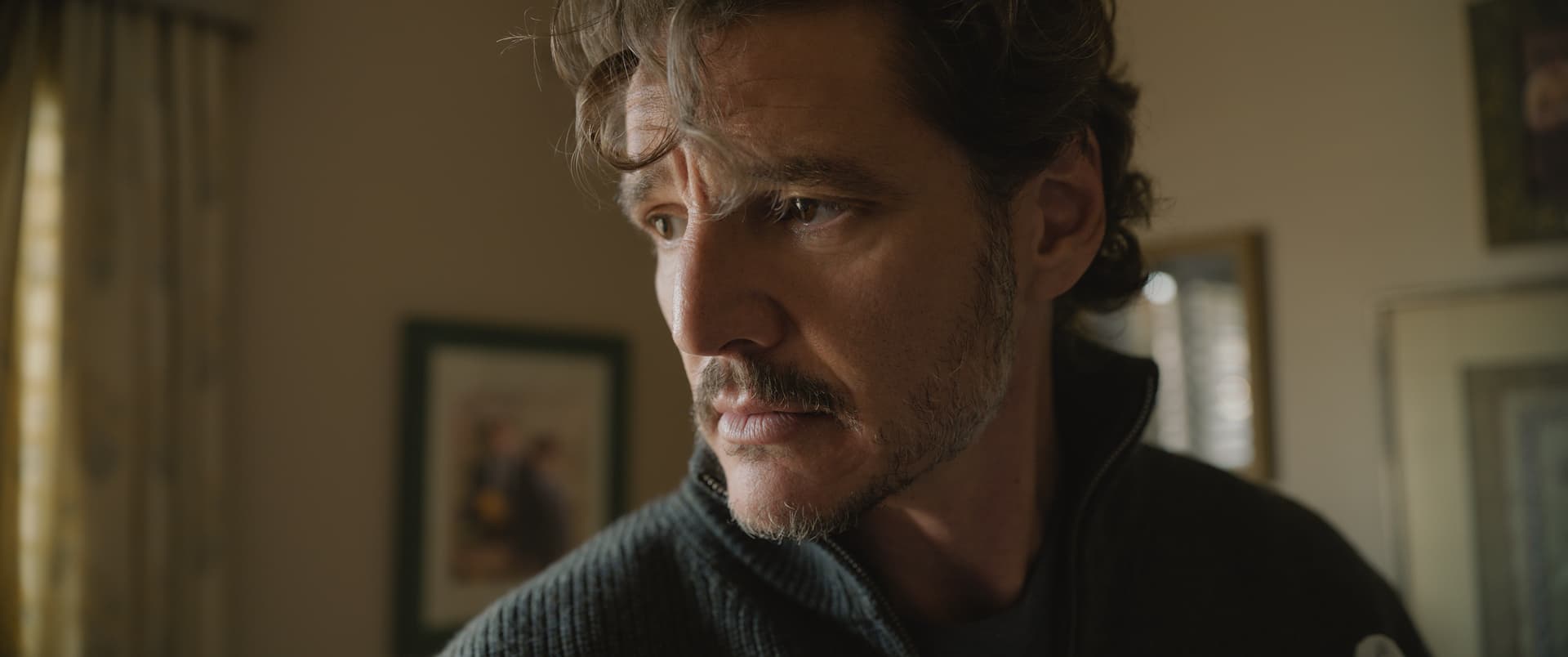
New York Film Festival Review: ‘Behemoth!’ Has Nine Composers and No Heart
By SEBASTIAN DOGGART
|It could be the best Christmas poem ever written. Or, at least, the best Christmas poem for its era — replete with the late Victorian/Edwardian sense of ambivalence about, and nostalgia for, a time when acceptance of faith seemed easier.
The 20th-century poet Philip Larkin is as responsible as anyone for the revival of the poetry of Thomas Hardy (1840–1928). Hardy is still best known as a novelist, but he thought of himself primarily as a poet, and the revival of his poetry has led to a new appreciation by modern poets with a formalist interest. The Sun has already published “The Rejected Member’s Wife” as a Poem of the Day, along with “How Great My Grief.” Hardy’s corpus is so large that even the most devoted readers will find there a poem they didn’t know.
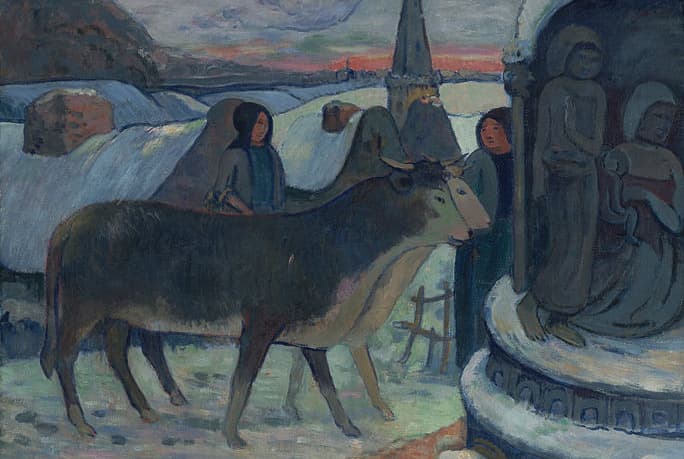
Among his better known work is “The Oxen,” and it may be the best Christmas poem ever written. Or, at least, the best Christmas poem for its era — replete with the late Victorian/Edwardian sense of ambivalence about, and nostalgia for, a time when acceptance of faith seemed easier. A time when the world was thick with magic, and doubts were decided by a trust in the possibility of miracles.
Published just before Christmas in 1915, “The Oxen” is written in ballad meter, its 4-foot lines alternating with 3-foot lines through the poem’s four quatrains. The story is drawn from an old Christmas legend from England’s West Country: The domestic animals that were near the manger in Bethlehem have passed down through the centuries the memory of that glory, and every Christmas Eve at midnight they kneel again in their stalls in homage to the newborn king. In Hardy’s poem, one of the old generation of a family around a farmhouse fire mentions, at midnight, that the animals are kneeling. And the adult narrator decides that even now, he would go to see.
By SEBASTIAN DOGGART
|
By JOSEPH CURL
|
By GEORGE WILLIS
|
By HOLLIE McKAY
|
By DAVID JONES
|
By JOSEPH CURL
|
By THE NEW YORK SUN
|
By LAURA THOMPSON
|The 20th-century poet Philip Larkin is as responsible as anyone for the revival of the poetry of Thomas Hardy (1840–1928). Hardy is still best known as a novelist, but he thought of himself primarily as a poet, and the revival of his poetry has led to a new appreciation by modern poets with a formalist interest. The Sun has already published “The Rejected Member’s Wife” as a Poem of the Day, along with “How Great My Grief.” Hardy’s corpus is so large that even the most devoted readers will find there a poem they didn’t know.
Among his better known work is “The Oxen,” and it may be the best Christmas poem ever written. Or, at least, the best Christmas poem for its era — replete with the late Victorian/Edwardian sense of ambivalence about, and nostalgia for, a time when acceptance of faith seemed easier. A time when the world was thick with magic, and doubts were decided by a trust in the possibility of miracles.
Published just before Christmas in 1915, “The Oxen” is written in ballad meter, its 4-foot lines alternating with 3-foot lines through the poem’s four quatrains. The story is drawn from an old Christmas legend from England’s West Country: The domestic animals that were near the manger in Bethlehem have passed down through the centuries the memory of that glory, and every Christmas Eve at midnight they kneel again in their stalls in homage to the newborn king. In Hardy’s poem, one of the old generation of a family around a farmhouse fire mentions, at midnight, that the animals are kneeling. And the adult narrator decides that even now, he would go to see.
Cancel anytime
By continuing you agree to our Privacy Policy and Terms of Service.
Cancel anytime