


No Trees, Please! Brooklyn Residents Say Plantings Will Harm Their Homes’ Feng Shui
By JENNIFER DOHERTY
|In the poem, the reader can discern the glorious loss of self Saint John of the Cross felt in the ecstatic transport to the divine.
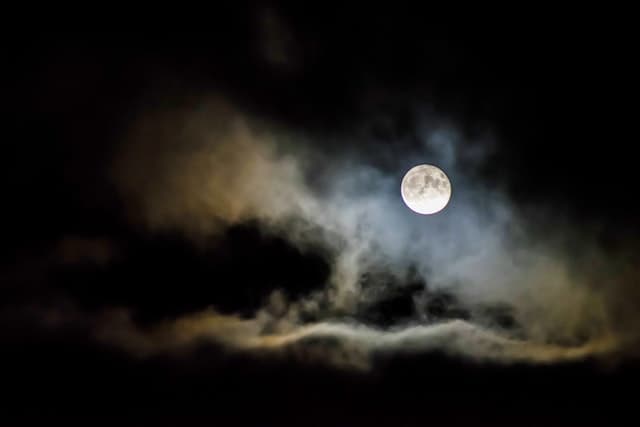
Spanish literature may be unique in the fact that one of its foundational poets — its Shakespeare, its Goethe, its Villon — was a Carmelite mystic and a Doctor of the Church. Saint John of the Cross had decided to enter a silent monastery, after which only God would have heard his poetry, but on a trip to Medina del Campo in 1567, he met Teresa of Ávila, a woman so overwhelming that no one escaped an encounter with her unscathed. Drawn into the Carmelite world, he poured out the mystical poetry that became part of the foundation of Spanish literature: No John of the Cross, no Garcia Lorca — or any other of the great poets who followed in his wake. In honor of his June 24 birthday, The Sun presents “One Darkest Night,” translated by the award-winning Rhina P. Espaillat (whose own poem “Prosody” appeared earlier in our pages). In the poem, the reader can discern the sexual imagery he used for the encounter with God, the sense of nature, and, above all, the glorious loss of self he felt in the ecstatic transport to the divine.
By JENNIFER DOHERTY
|
By ALEX J. POLLOCK
|
By NEWT GINGRICH
|
By CARL ROLLYSON
|
By BRADLEY CORTRIGHT
|
By LAWRENCE KUDLOW
|
By THE NEW YORK SUN
|
By BENNY AVNI
|Spanish literature may be unique in the fact that one of its foundational poets — its Shakespeare, its Goethe, its Villon — was a Carmelite mystic and a Doctor of the Church. Saint John of the Cross had decided to enter a silent monastery, after which only God would have heard his poetry, but on a trip to Medina del Campo in 1567, he met Teresa of Ávila, a woman so overwhelming that no one escaped an encounter with her unscathed. Drawn into the Carmelite world, he poured out the mystical poetry that became part of the foundation of Spanish literature: No John of the Cross, no Garcia Lorca — or any other of the great poets who followed in his wake. In honor of his June 24 birthday, The Sun presents “One Darkest Night,” translated by the award-winning Rhina P. Espaillat (whose own poem “Prosody” appeared earlier in our pages). In the poem, the reader can discern the sexual imagery he used for the encounter with God, the sense of nature, and, above all, the glorious loss of self he felt in the ecstatic transport to the divine.
Already have a subscription? Sign in to continue reading
Cancel anytime
By continuing you agree to our Privacy Policy and Terms of Service.
Cancel anytime