


Sydney Sweeney’s Nude Betting Ad Sparks Fresh Controversy Over ‘Sexualizing’ Women’s Sport
By JOSEPH CURL
|Time has meaning. To hear a thrush sing in April is to anticipate its song in winter.
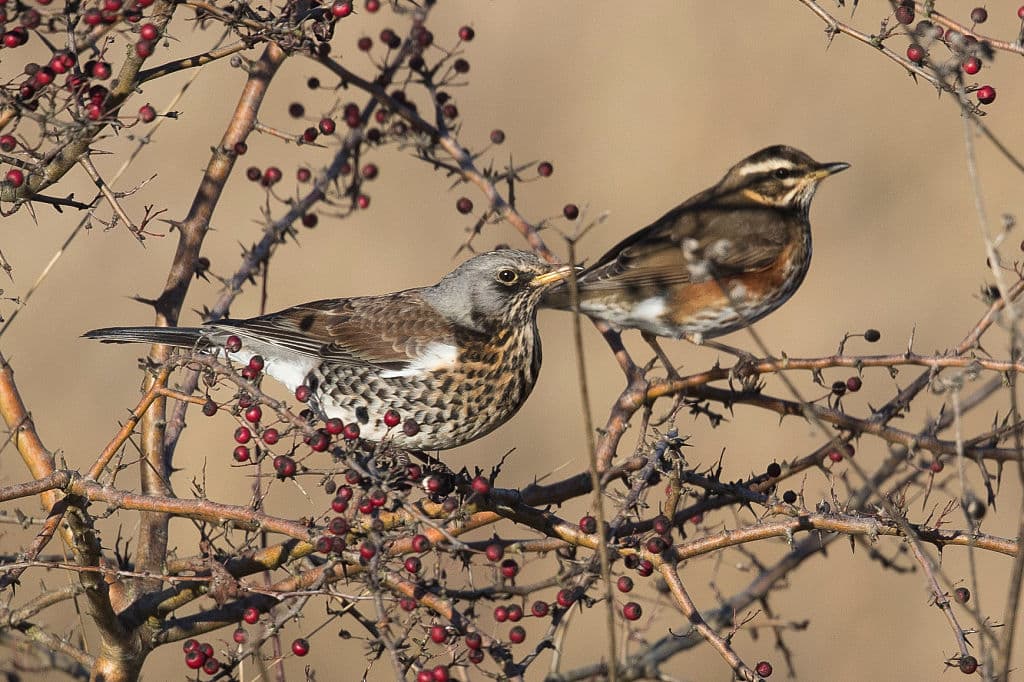
Birds of a species converse from tree to tree for the perpetuation of their kind. In literature, too, birds of a species may converse, though their impulses are imaginative, not biological. In a poem we featured in January 2022, the thrush, with its trilling song, figures for the Romantic John Keats (1795–1821) as an emblem of what he called negative capability. In a poem we featured a year later, January 2023, Thomas Hardy (1840–1928), straddling the Romantic and modernist worlds, used the thrush to suggest hope and joy, the same extrarational apprehension of beauty which animates Keat’s poem. But for Hardy, that beauty lies beyond the reach of human beings, imprisoned by doubt in a dark world.
By JOSEPH CURL
|
By LUKE FUNK
|
By JENNIFER DOHERTY
|
By STEPHEN MacLEAN
|
By BRADLEY CORTRIGHT
|
By JOSEPH CURL
|
By A.R. HOFFMAN
|
By DAVID MASTIO
|Birds of a species converse from tree to tree for the perpetuation of their kind. In literature, too, birds of a species may converse, though their impulses are imaginative, not biological. In a poem we featured in January 2022, the thrush, with its trilling song, figures for the Romantic John Keats (1795–1821) as an emblem of what he called negative capability. In a poem we featured a year later, January 2023, Thomas Hardy (1840–1928), straddling the Romantic and modernist worlds, used the thrush to suggest hope and joy, the same extrarational apprehension of beauty which animates Keat’s poem. But for Hardy, that beauty lies beyond the reach of human beings, imprisoned by doubt in a dark world.
Already have a subscription? Sign in to continue reading
Cancel anytime
By continuing you agree to our Privacy Policy and Terms of Service.
Cancel anytime